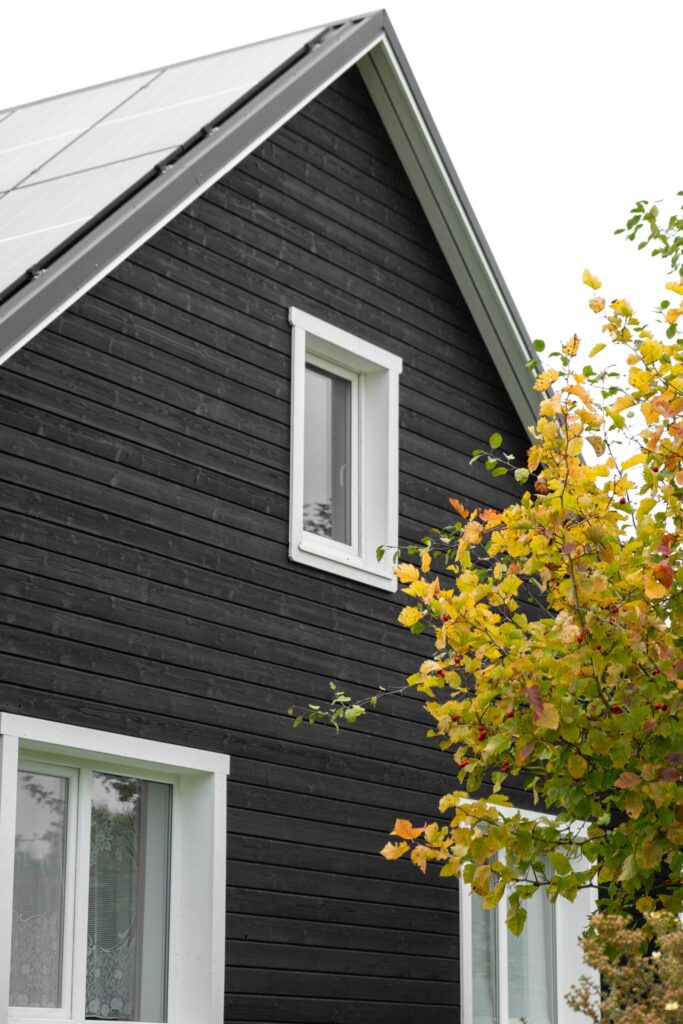


Charred larch
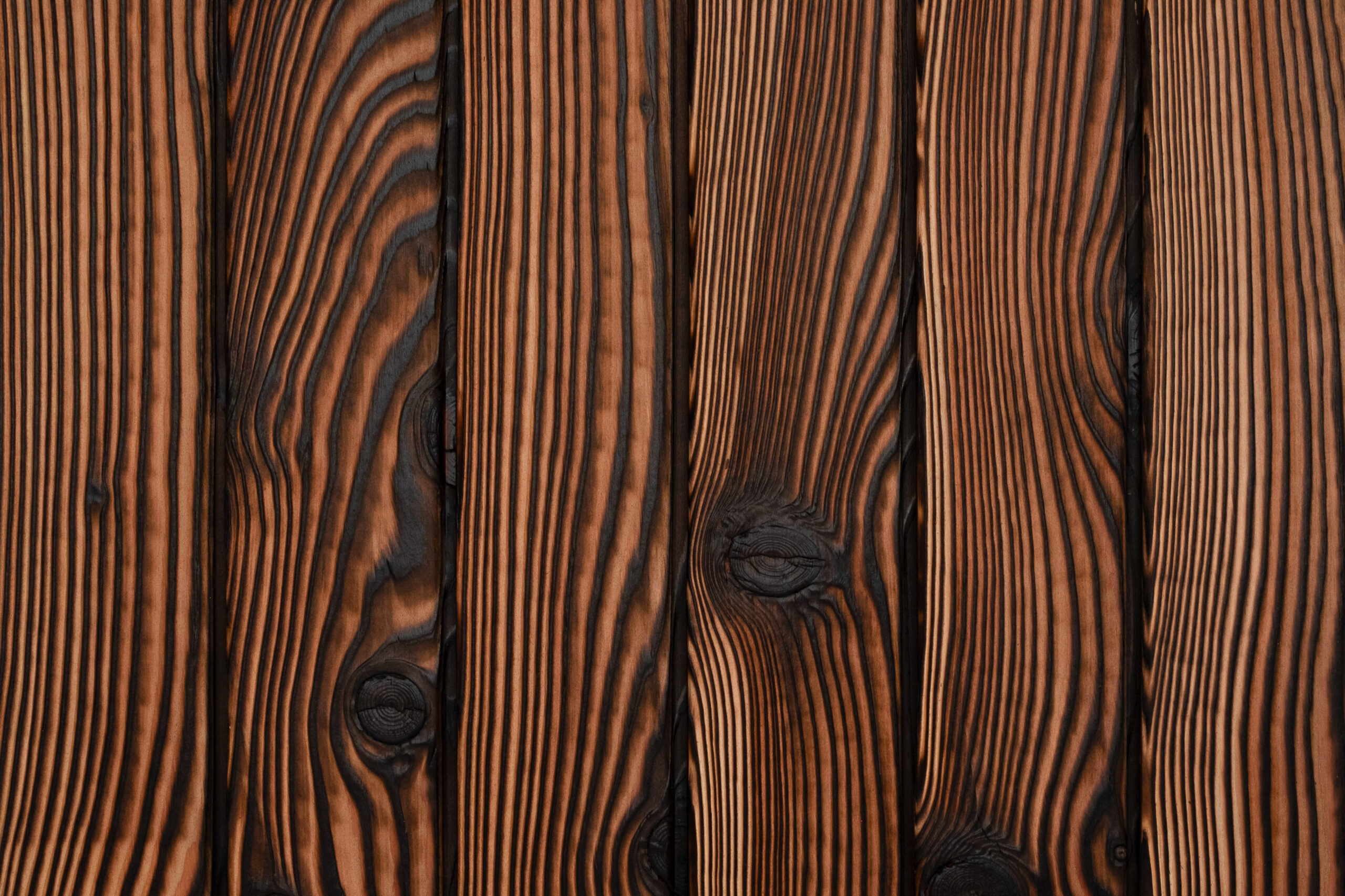
Charred larch is fire-treated wood that combines structural strength with a striking, distinctive surface. It is the perfect choice for those who appreciate a durable, time-tested material with exceptional visual character.
Why choose charred larch?
RESISTANCE
Larch is naturally resistant to moisture, and surface charring can further improve the surface’s resistance to environmental factors.
VERSATILITY
Larch is denser and harder than most native conifers, making it more resistant to mechanical damage and less prone to wear and tear.
APPEARANCE
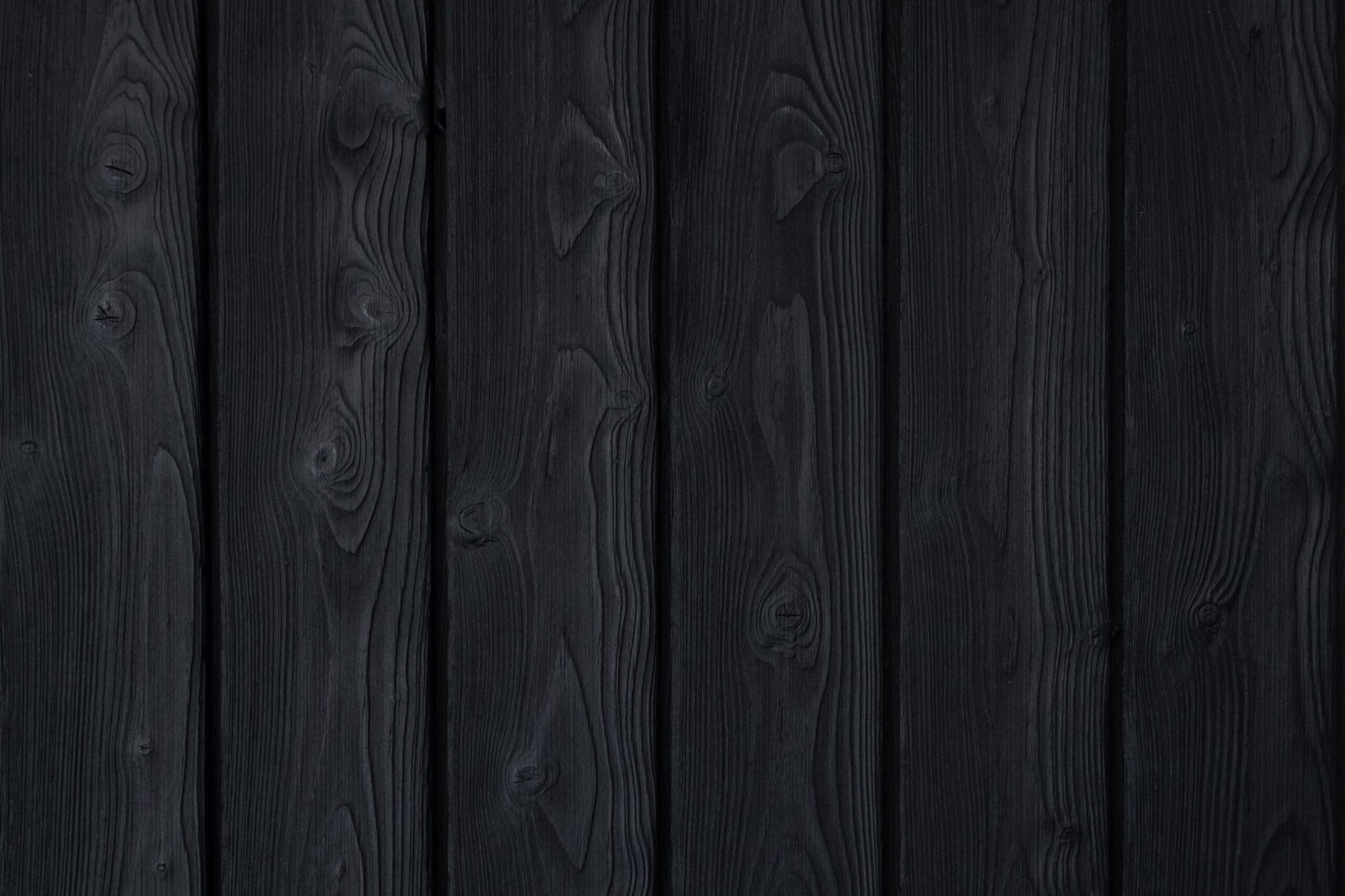
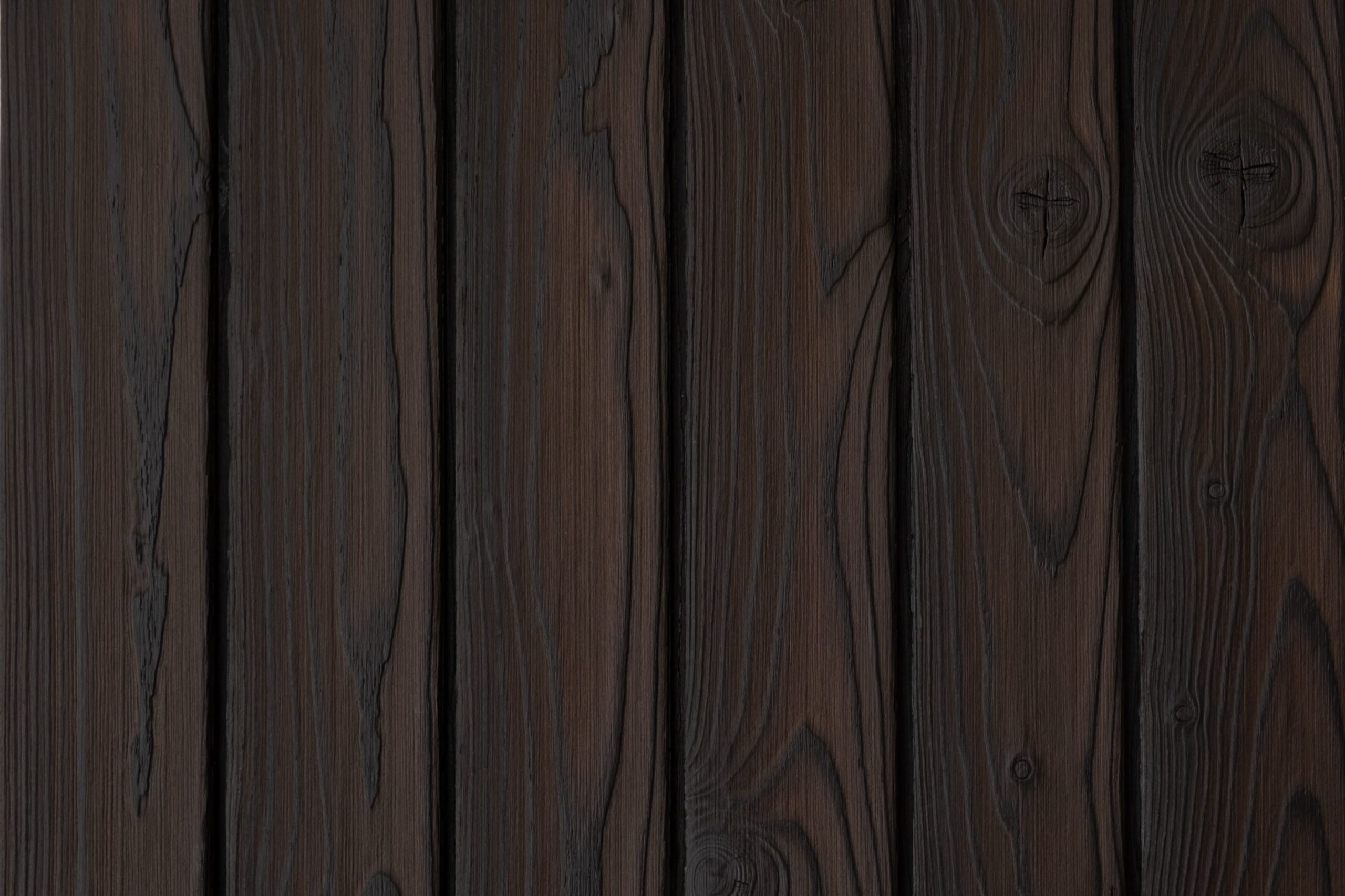
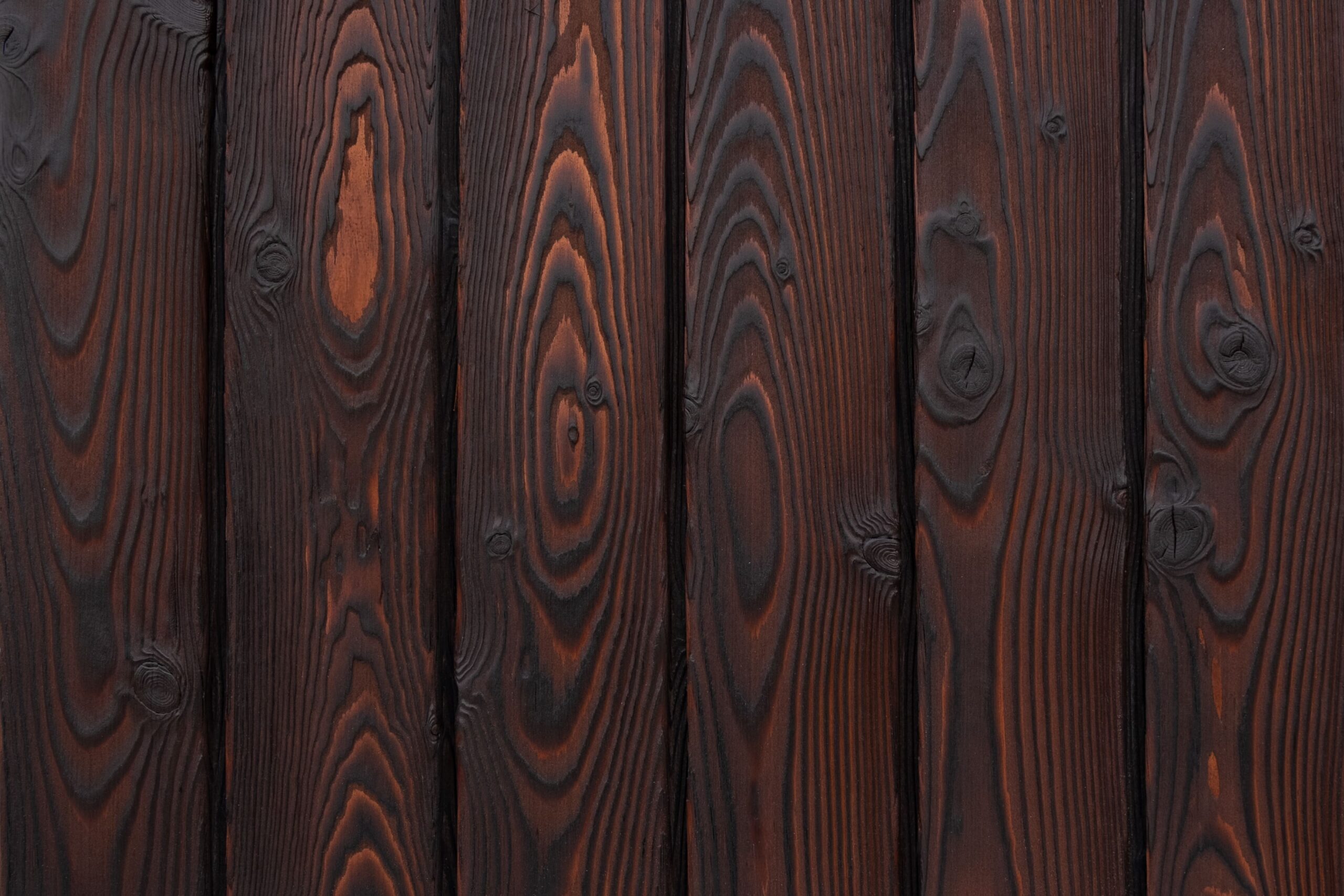
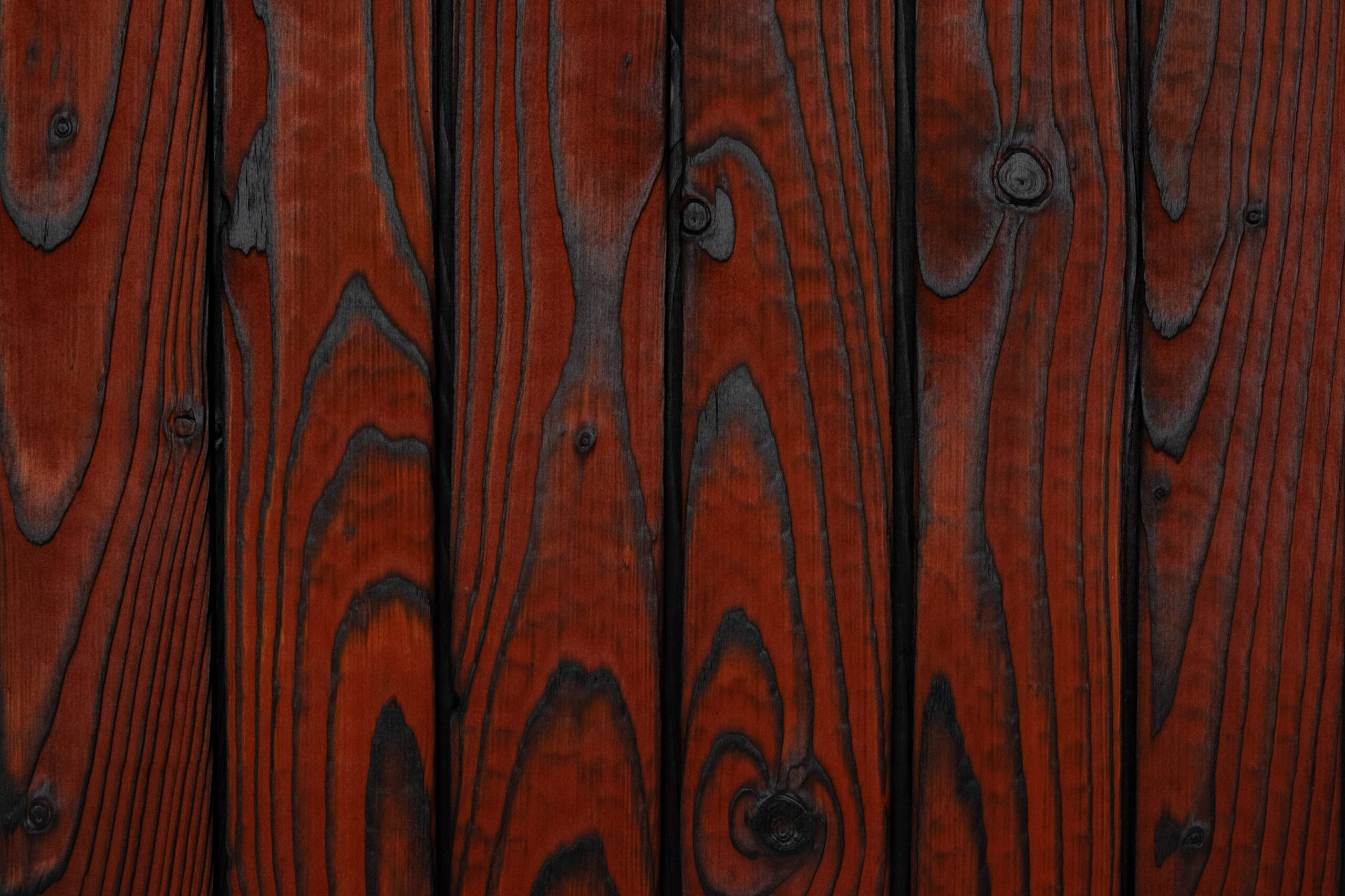
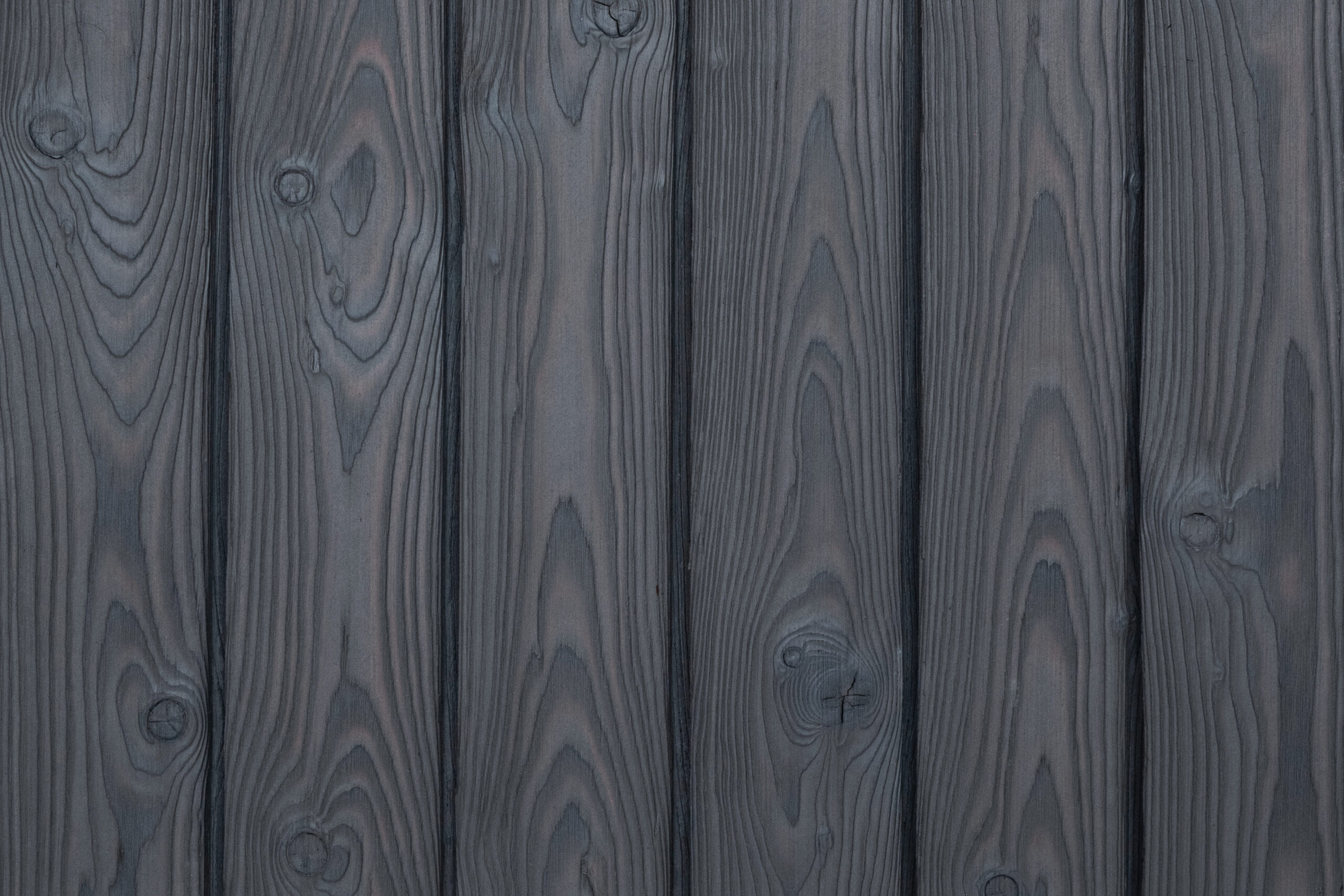
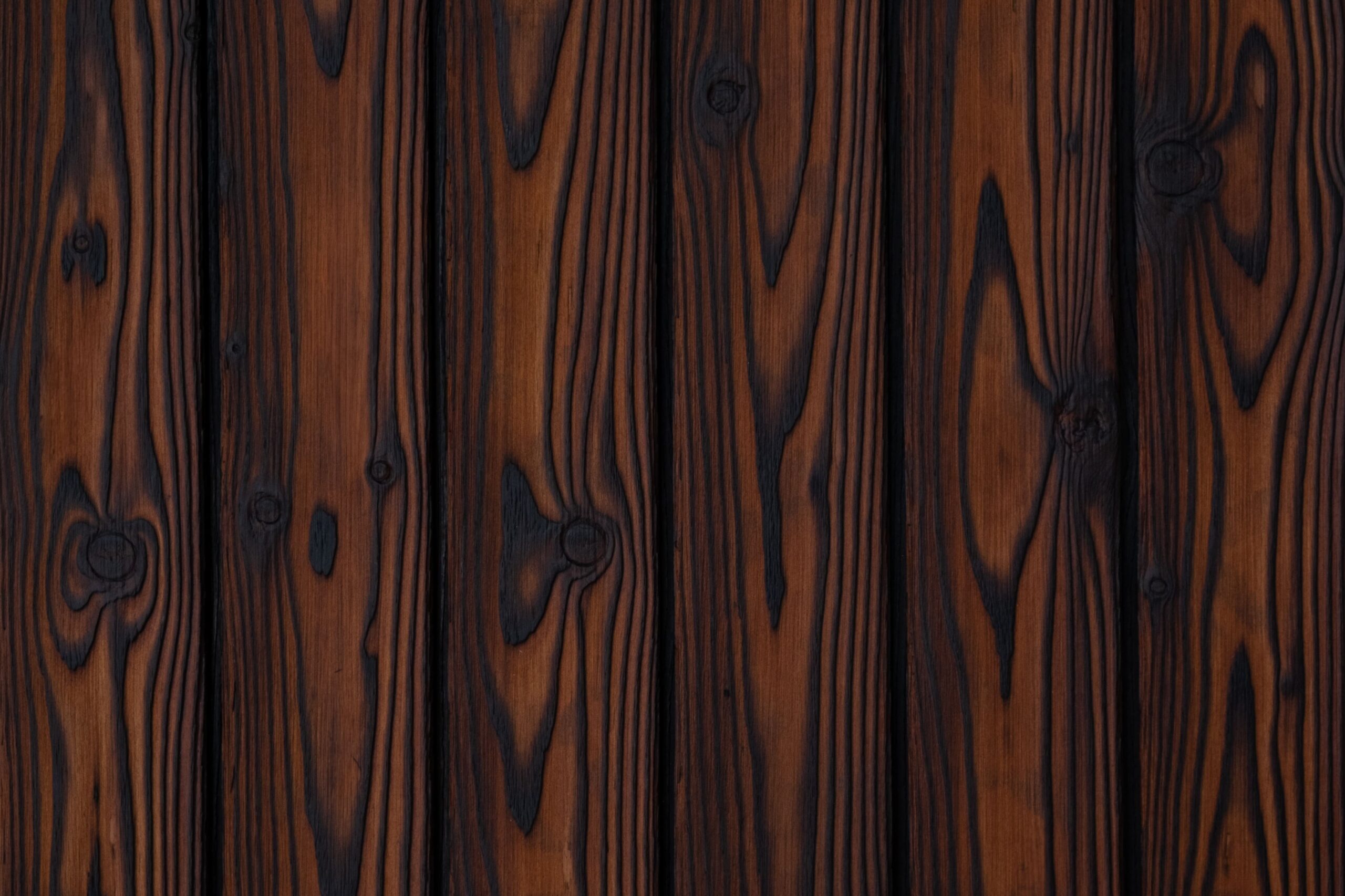
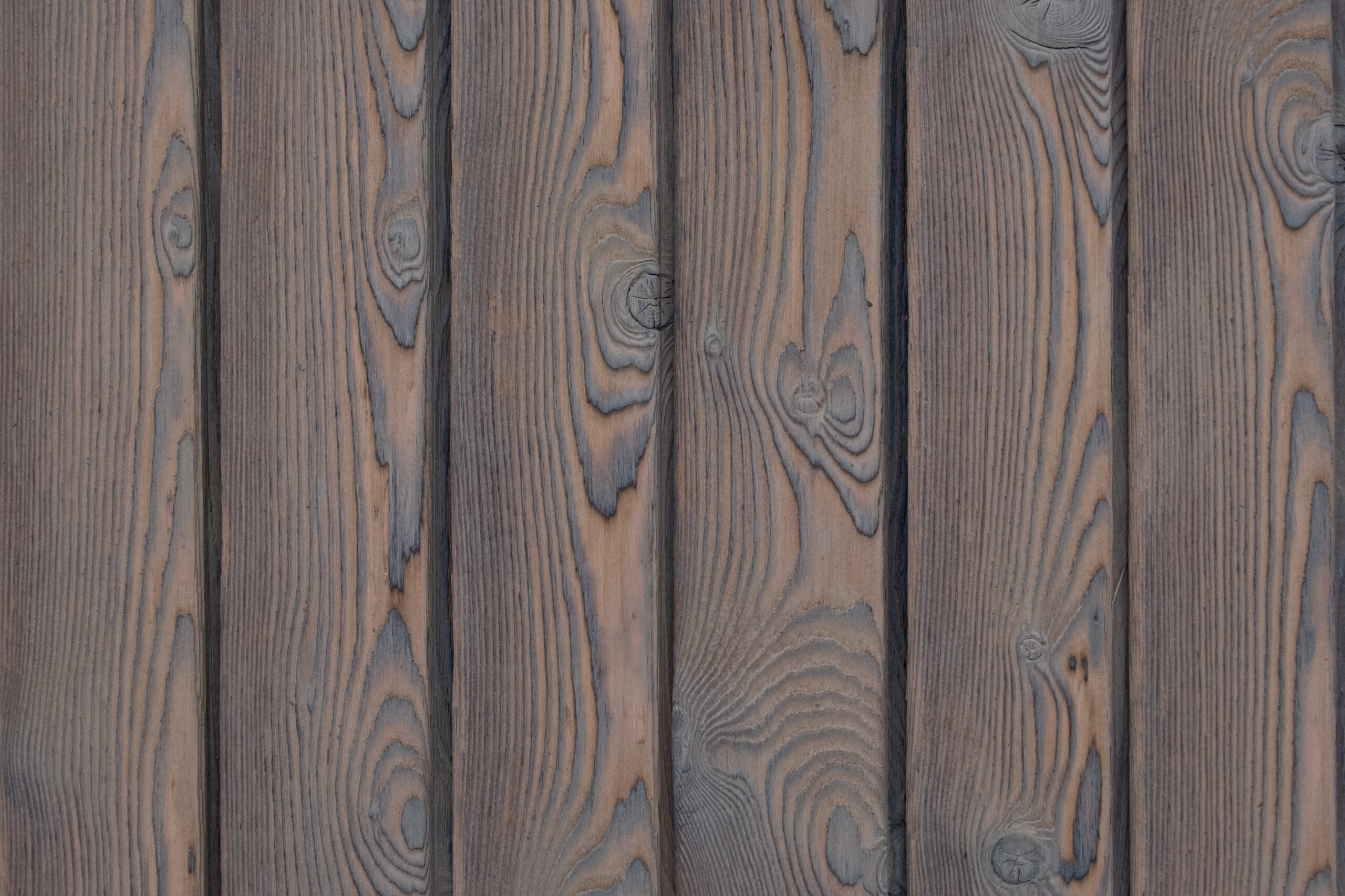
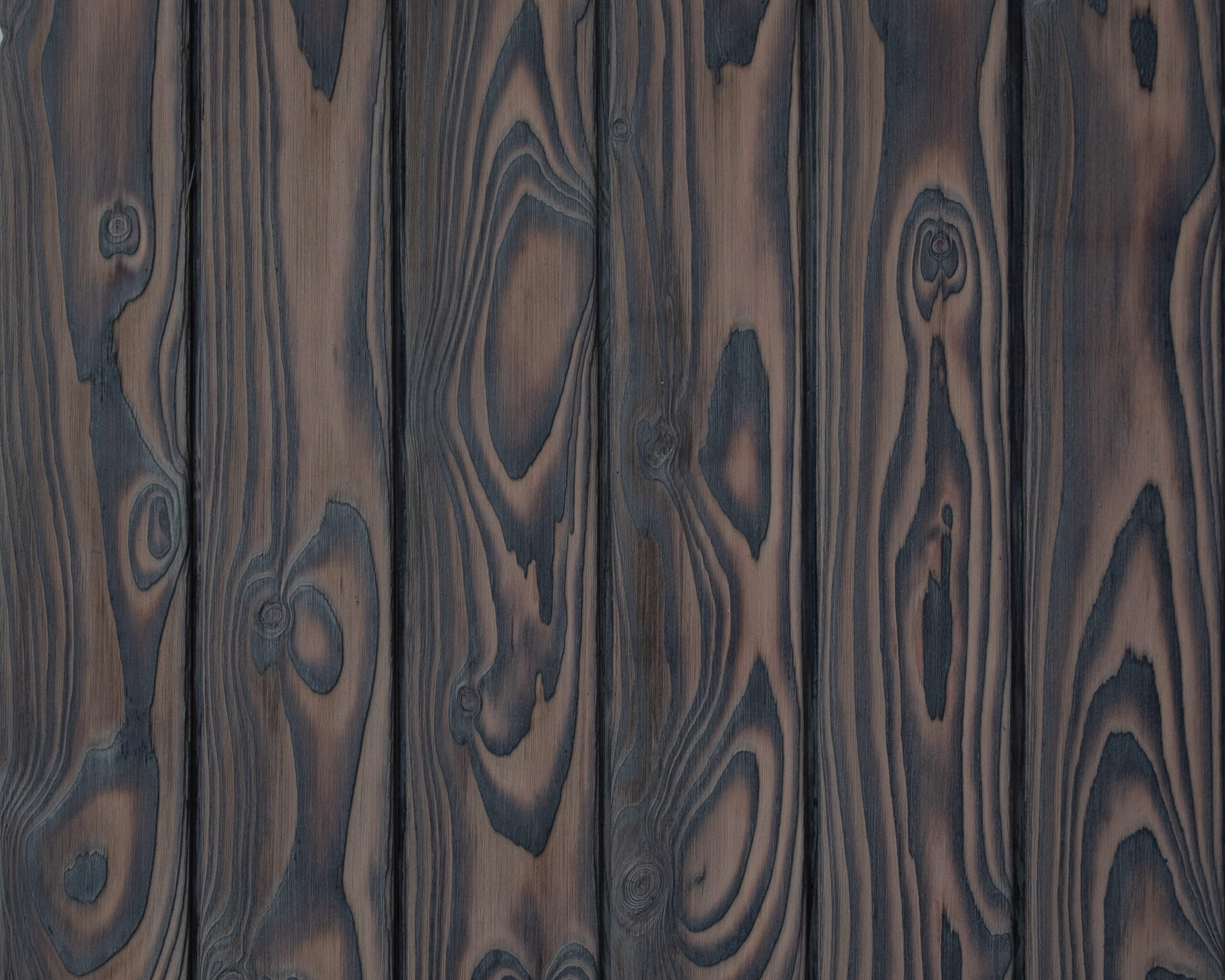
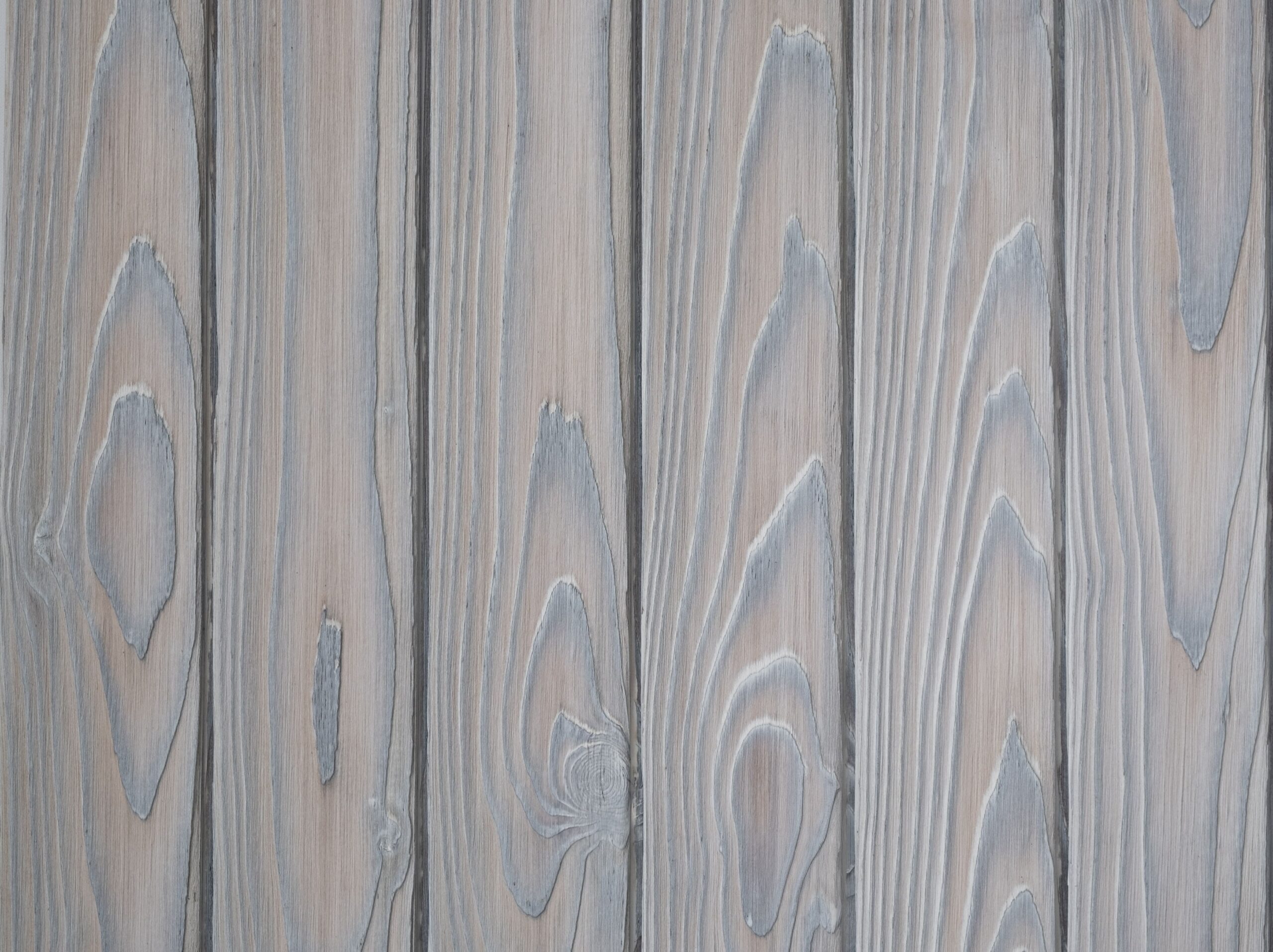
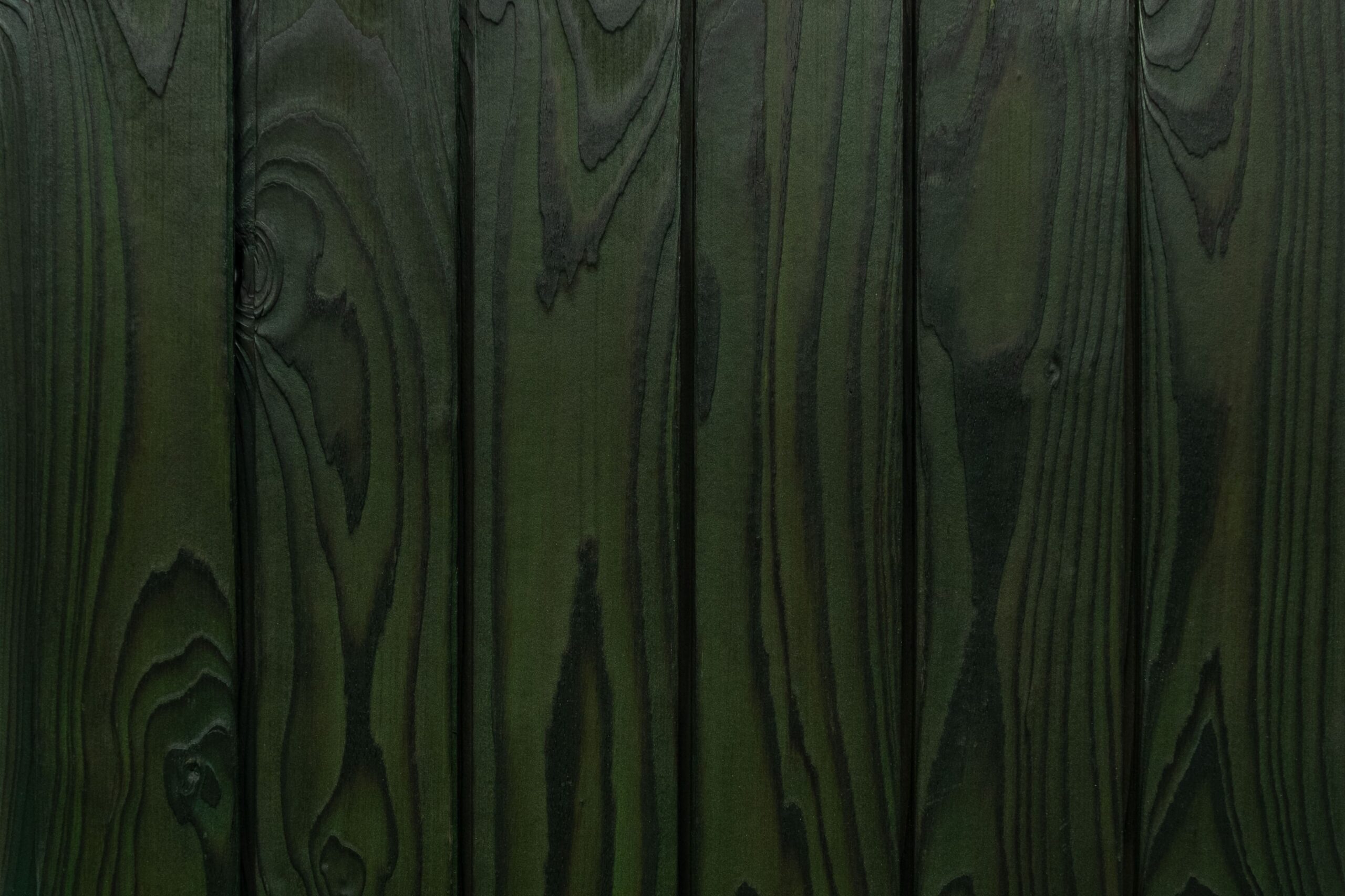
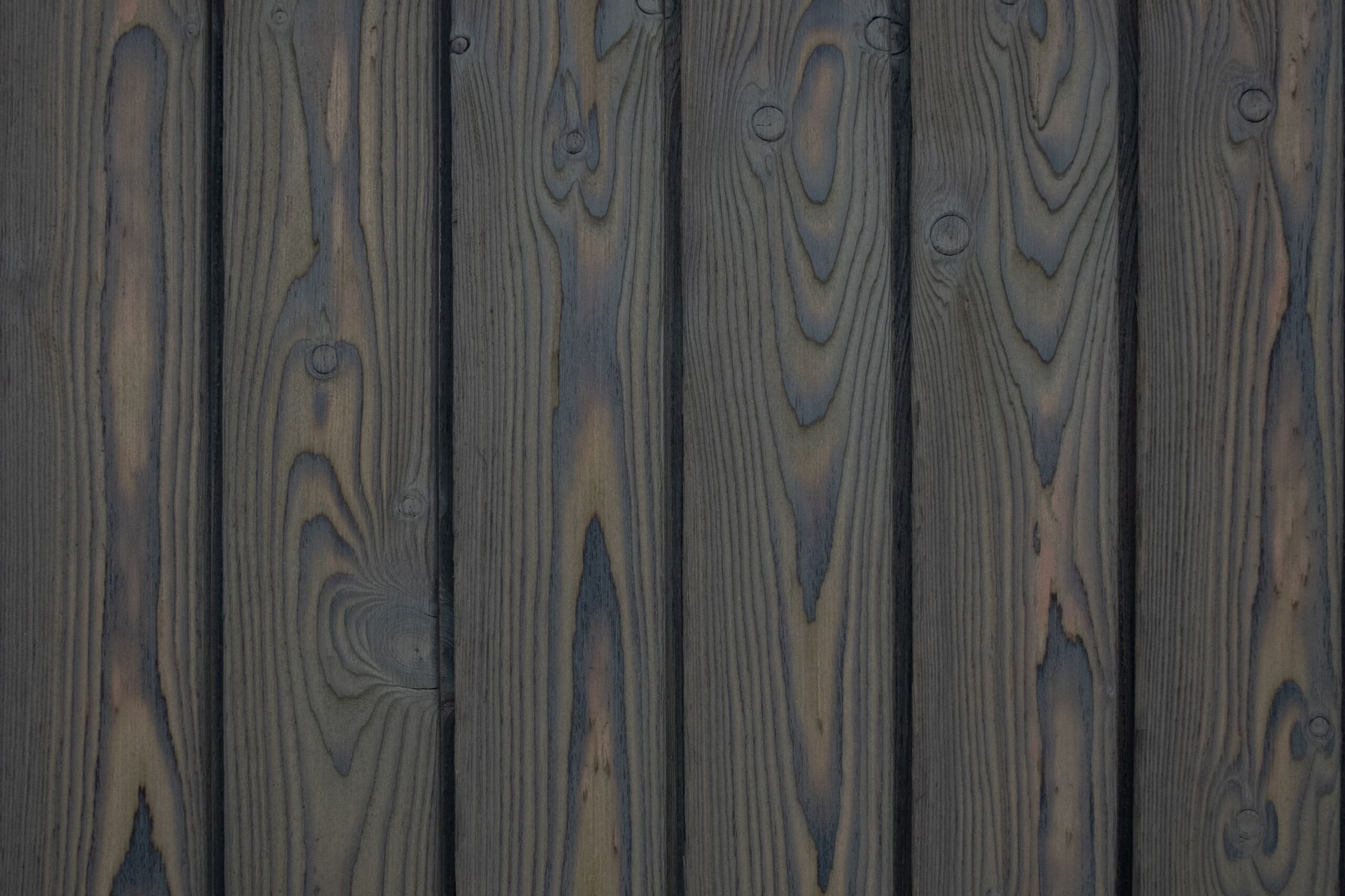
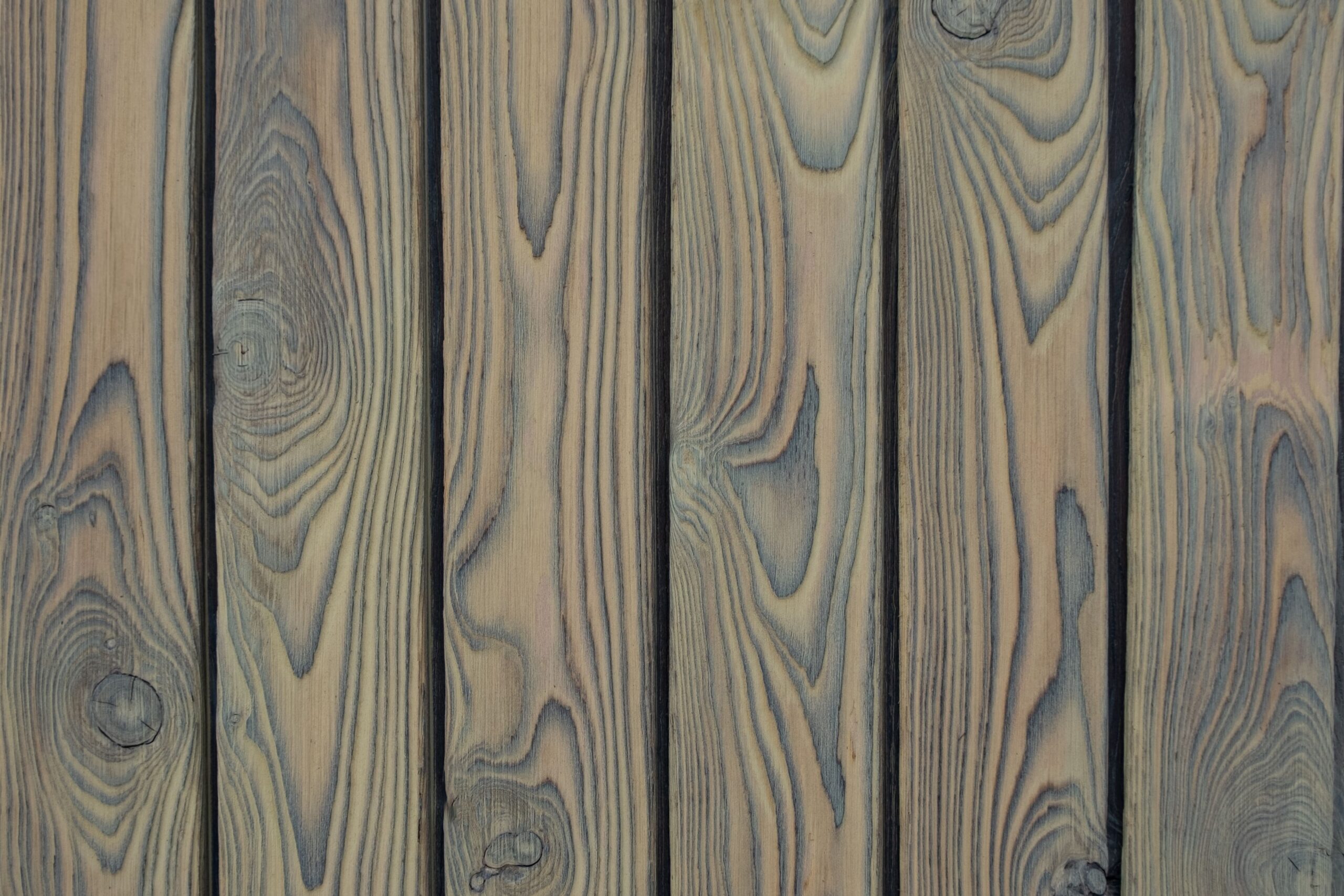
Fire highlights the natural grain of larch wood, creating a deep and distinctive texture.
How does charred larch wood differ from charred spruce wood?
Appearance
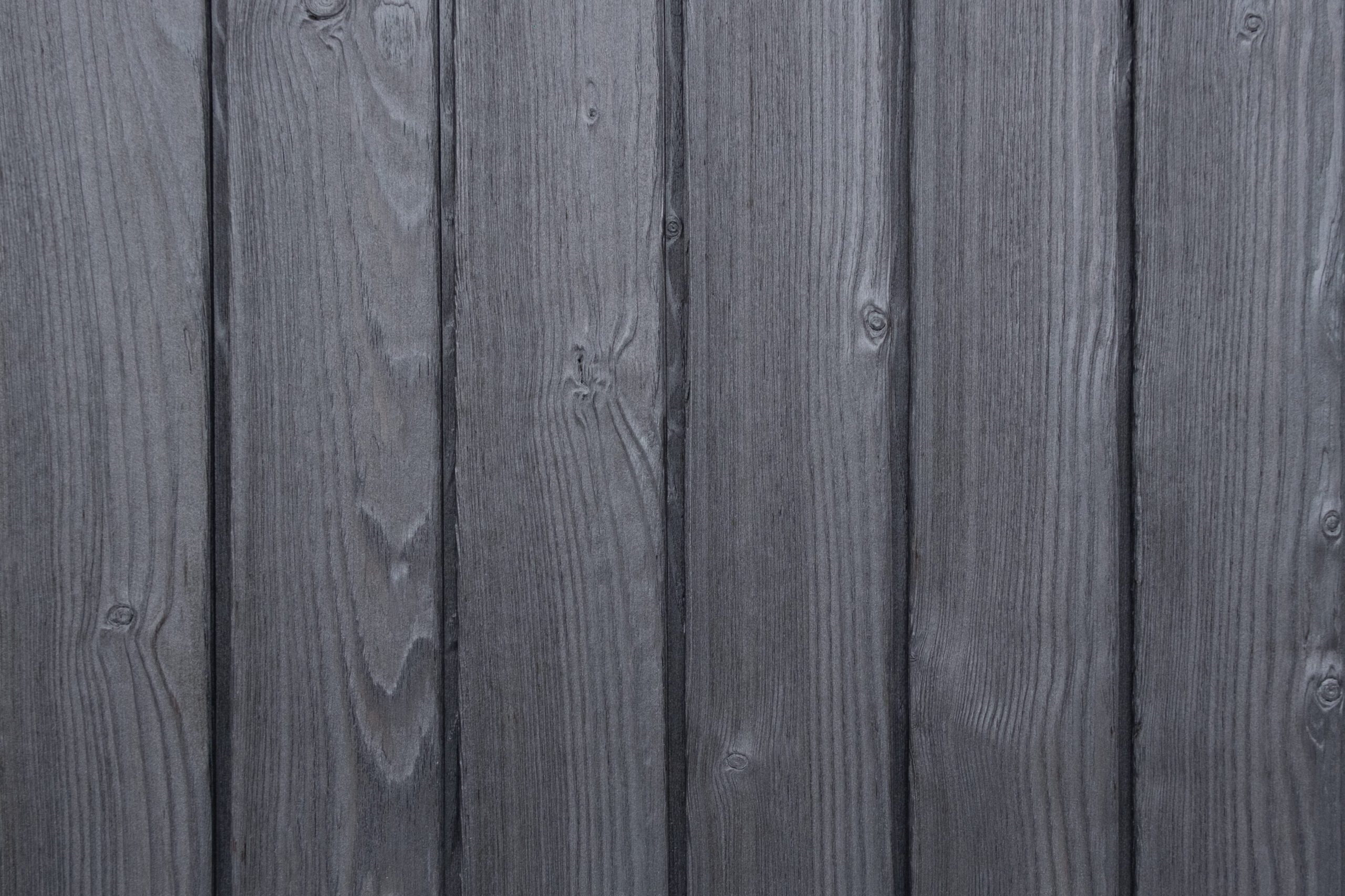
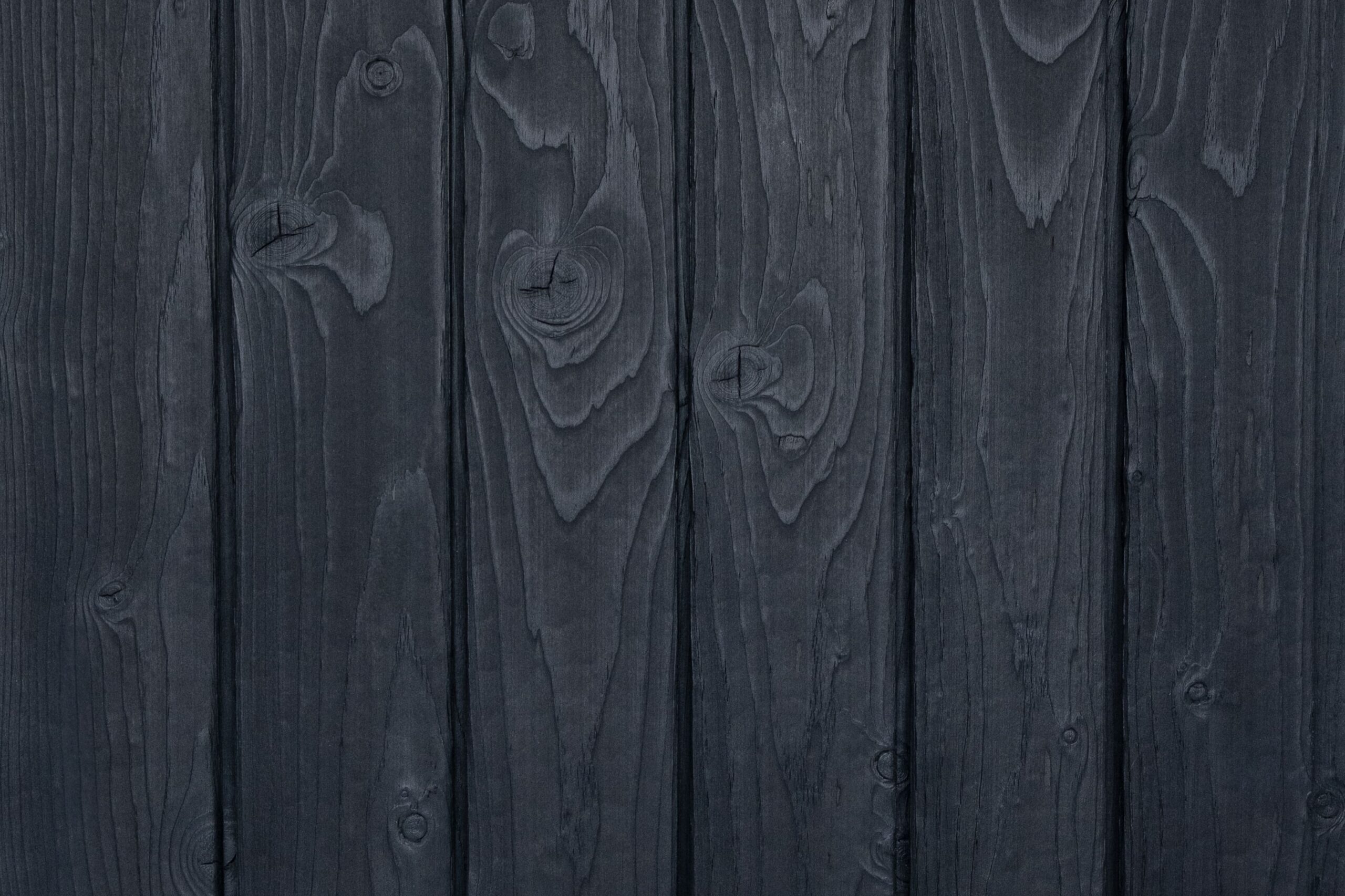
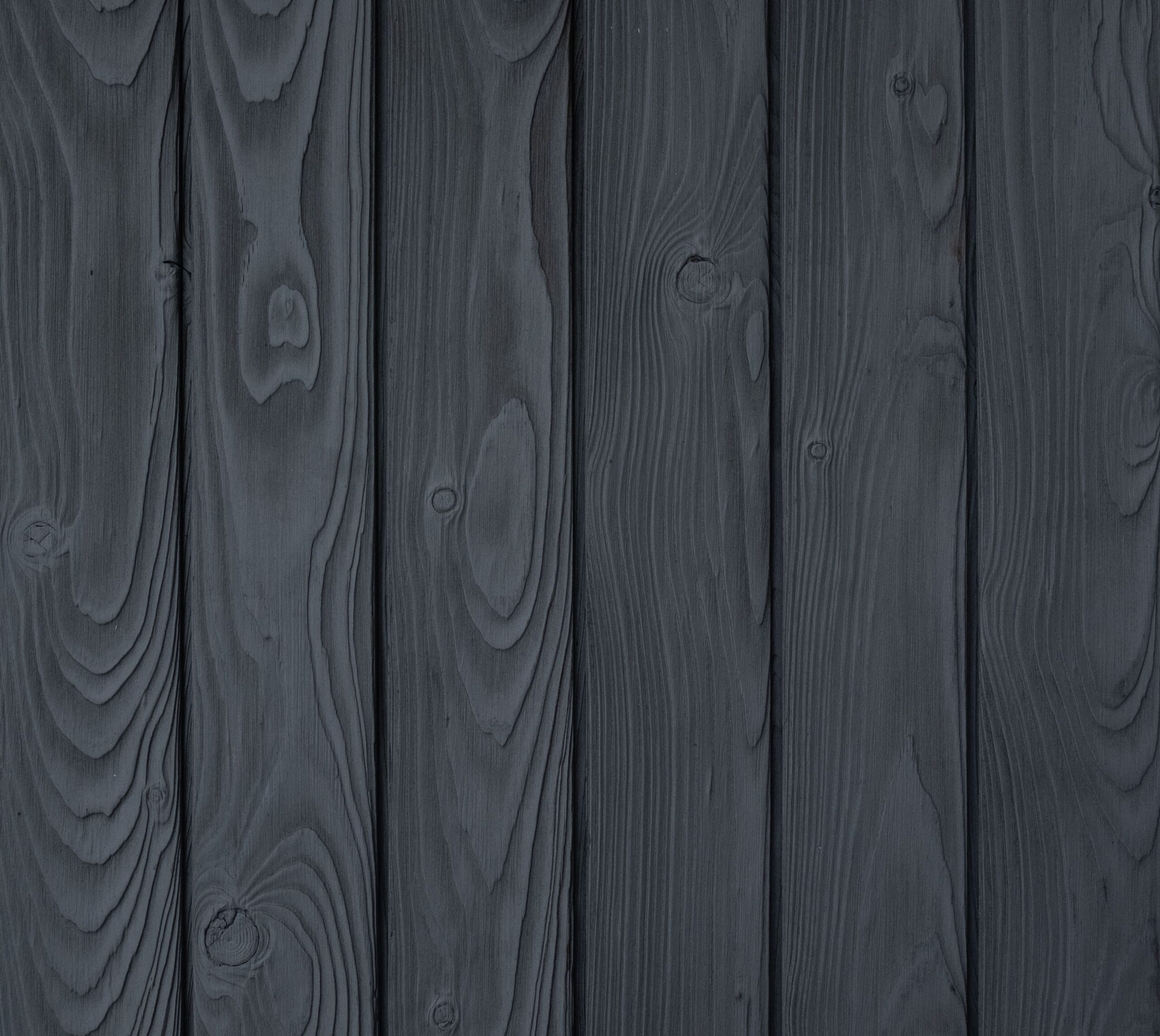
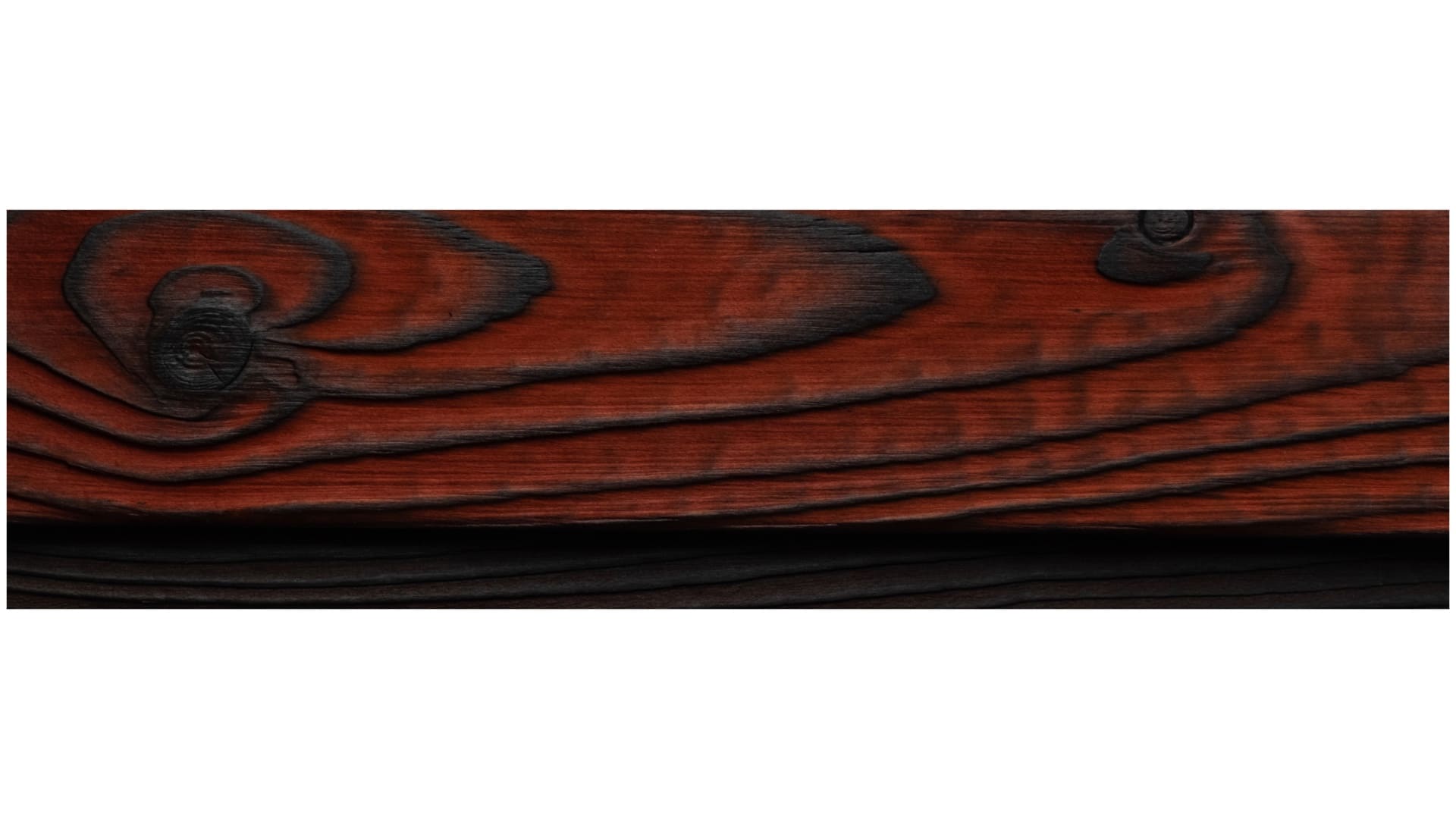
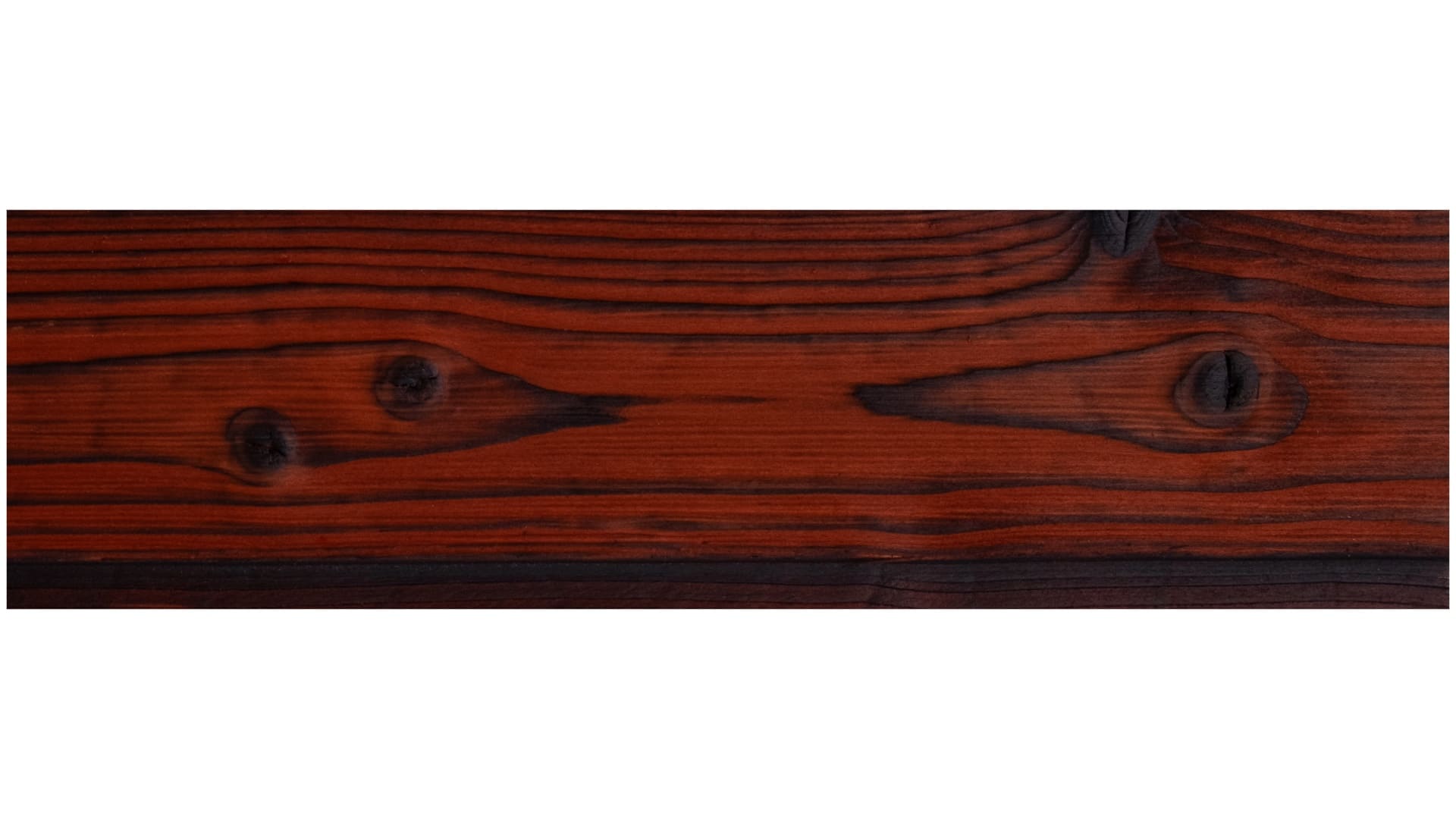
Charred larch has a distinct grain, which gives the surface a striking visual contrast. Charred spruce wood is lighter in color, with a more subtle grain and a more even tone.
Compare the grain patterns of charred larch and charred spruce using the slider provided. The photos show a comparison of the Medeksa Terra color.
Properties of wood
Larch wood is characterized by higher density and natural resistance to environmental factors, which is why it is often chosen for finishes where stability and durability are important. You can read more about the natural properties of larch in the technical description of European larch.
Spruce wood is distinguished by its lower weight, ease of processing, and good structural properties, making it a popular choice for construction and finishing where efficiency and cost-effectiveness are key. You can read more about the natural properties of spruce in the technical description of European Spruce.
Price
Charred larch falls into the higher price range. Charred spruce is considered a more economical choice.
Frequently Asked Questions
Over time, the color of the surface will naturally change due to environmental factors; if you wish to preserve the original color, we recommend that you regularly re-oil the charred larch siding.
Yes, regular oiling is an important part of maintaining the surface of charred wood. Oil containing UV filters slows down the effects of the sun, reduces color changes in the surface, and minimizes moisture absorption in the surface layer.
Oiling does not alter the structural properties of the wood, but it helps stabilize the surface and maintain its aesthetic condition over the long term.
The process of producing charred wood involves several stages: charring, combing, and oiling, each of which can take anywhere from a few days to several weeks, depending on the scope of the project, the season, and current production capacity.
Please contact our team for exact deadlines.
Untreated charred wood will naturally change color when exposed to sunlight and environmental factors. This is a visual, not a structural, change, as the wood’s texture will remain, but the surface will become grayer.
Yes, charred larch is suitable for interior finishing and is often used for walls, ceilings, and decorative accents.
The lifespan of charred larch depends on the conditions of use and maintenance, but it often lasts for several decades.
From idea to reality
Photos don’t capture the texture or color of charred wood, or how the shade will look in your space. Seeing actual samples of charred wood helps you determine whether your choice truly complements your project.
And if you’ve already made your choice – submit a request and receive a personalized price quote tailored to your project and needs.