


Apdedzinātas koksnes apšuvums
Fasāde ir viena no svarīgākajām ēkas daļām – tā aizsargā konstrukciju no vides faktoriem un arī rada pirmo iespaidu par māju. Tāpēc, izvēloties apdari, nozīme ir ne tikai krāsai vai stilam, bet arī tam, kā materiāls turēsies ārā: kā tas reaģēs uz sauli, mitrumu, temperatūras svārstībām un dabisko novecošanos. Apdedzināta koksne fasādēm ir risinājums tiem, kas vēlas dabisku, izteiksmīgu un praktisku ārējo apdari.
Medeksa apdedzinātas koksnes apšuvums ir izgatavots no rūpīgi atlasītas koksnes, apstrādāts ar uguni, slīpēts un eļļots. Tas nav tikai dekoratīvs efekts – pareizi izvēlēti un uzstādīti apdedzināti dēļi kļūst par ilgmūžīgu arhitektūras sastāvdaļu.
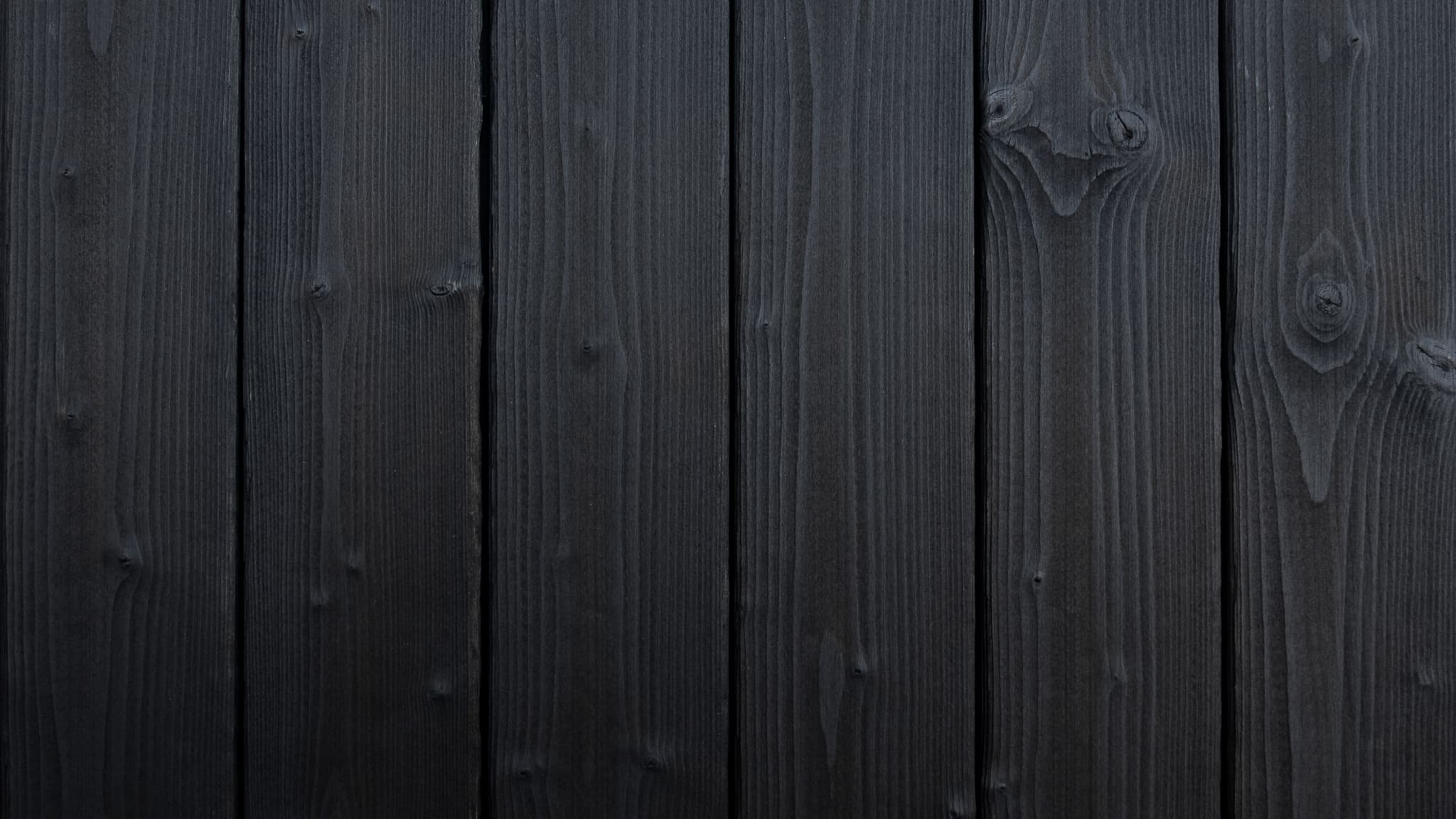
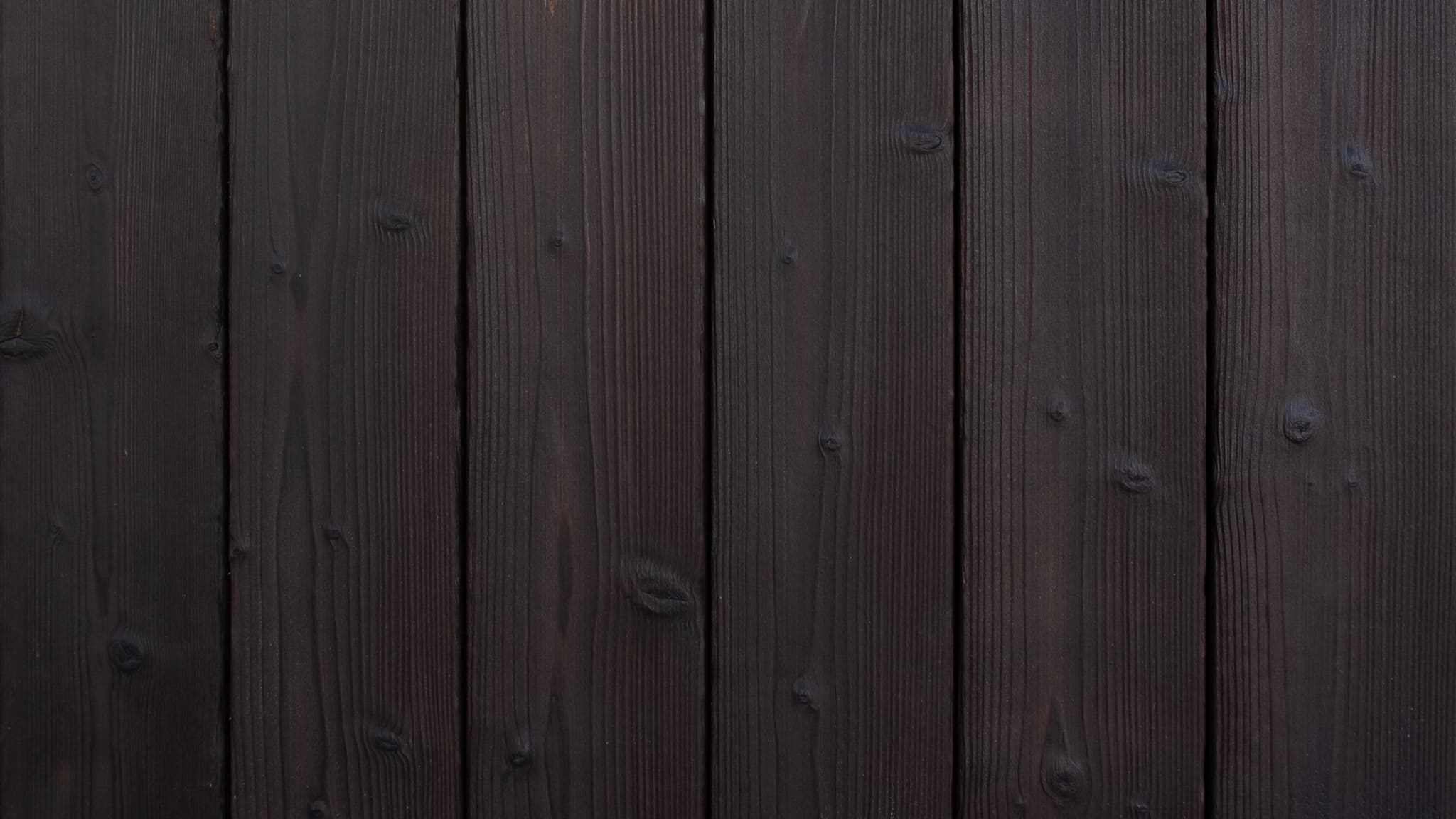
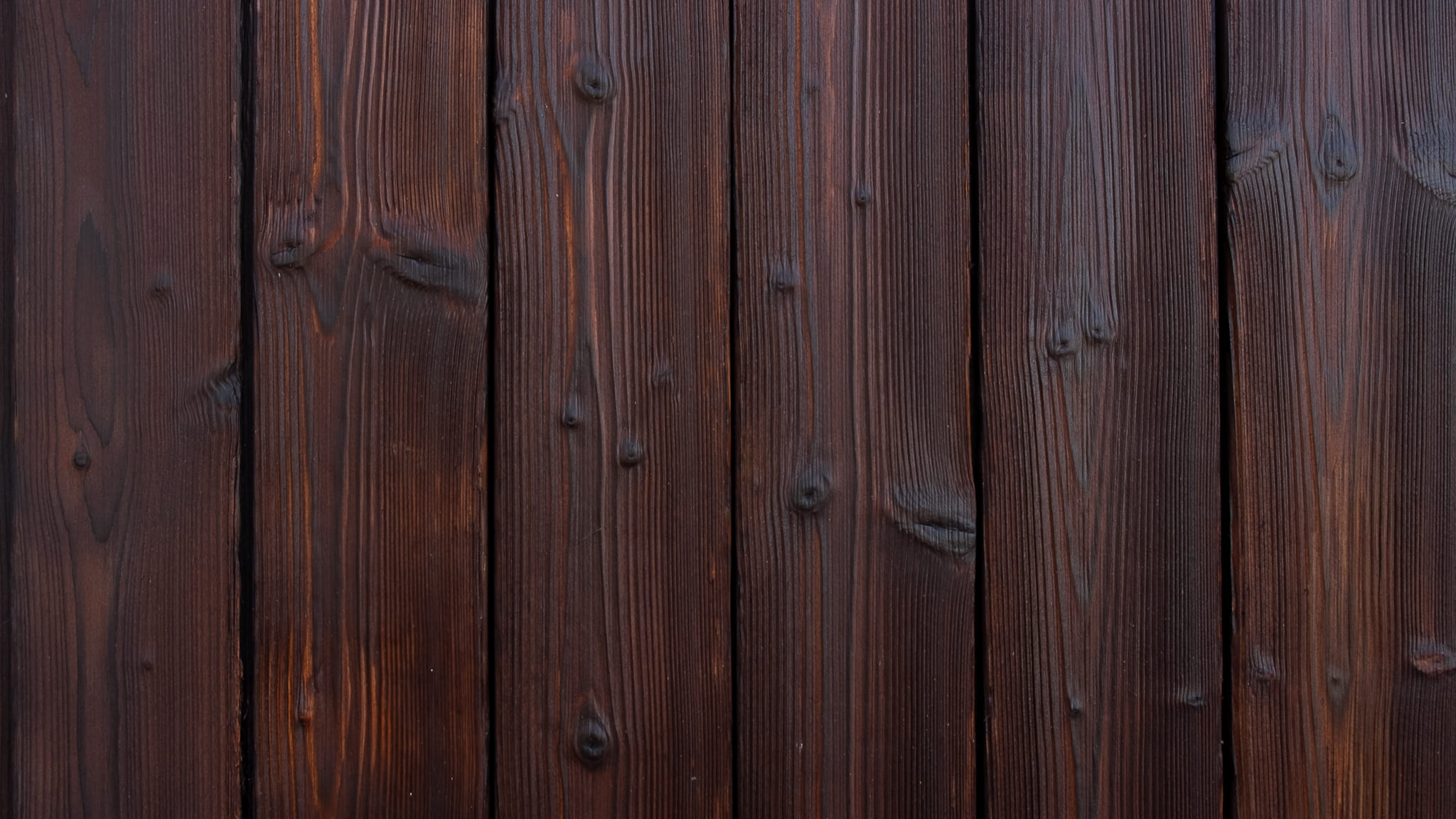
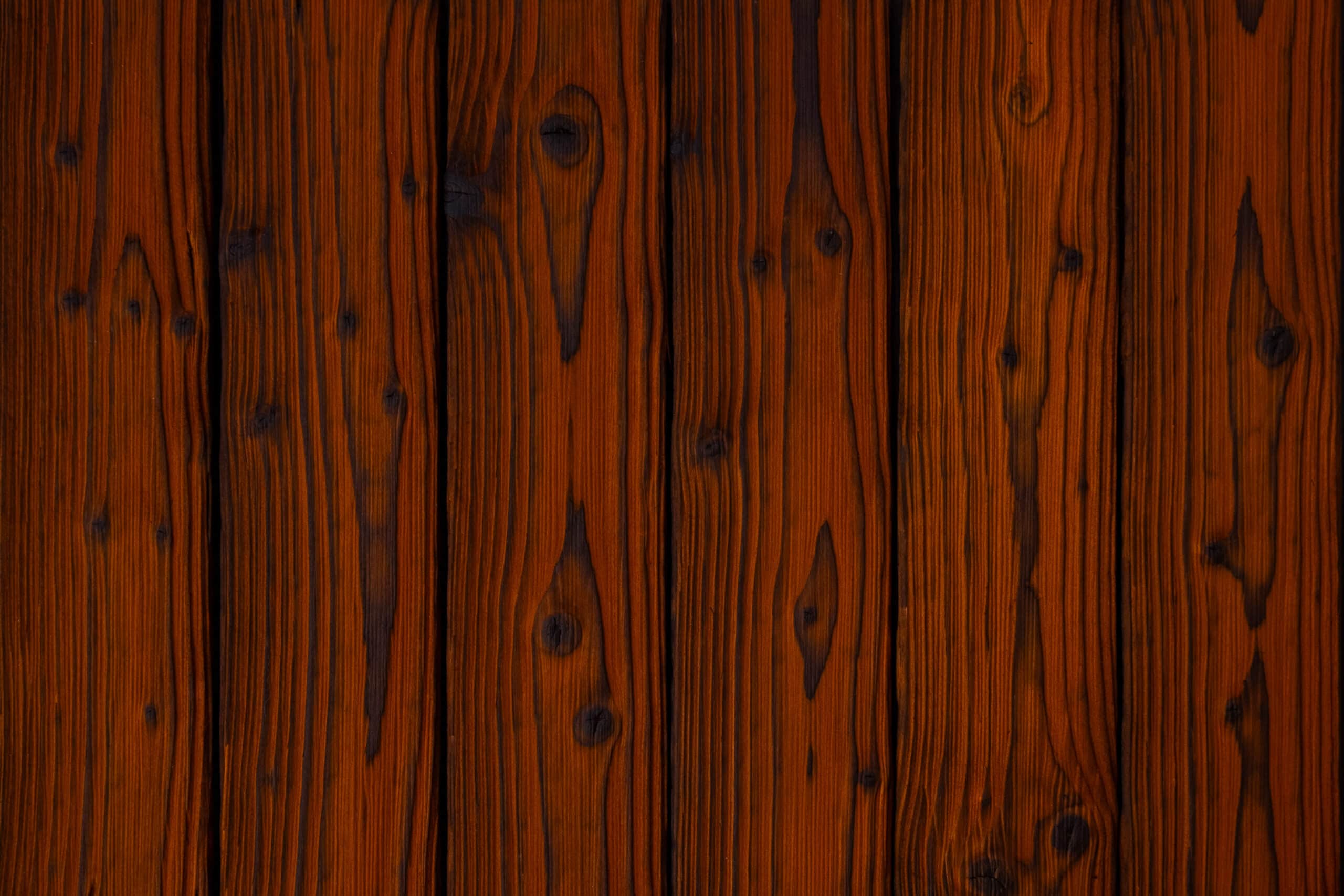
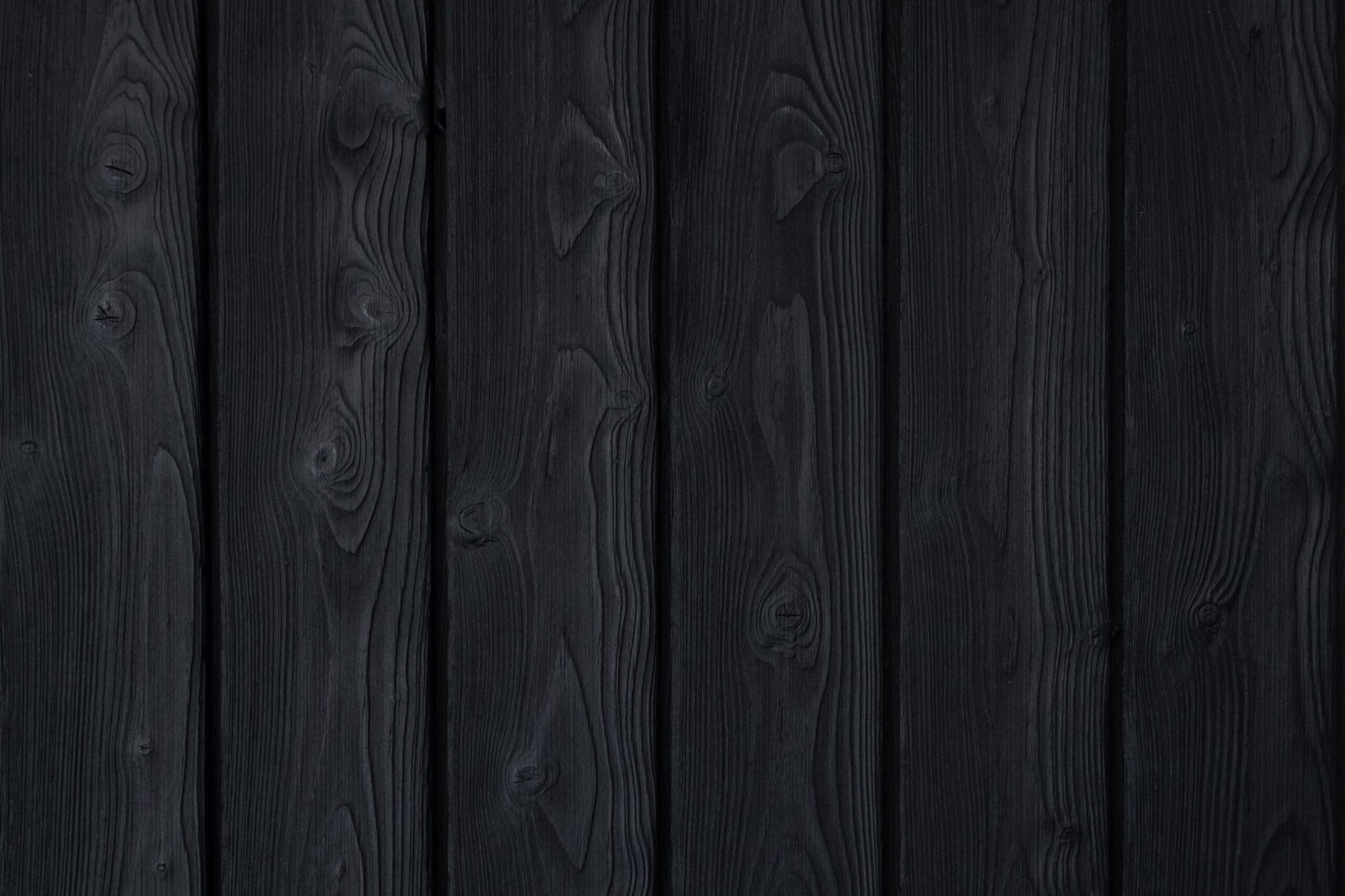
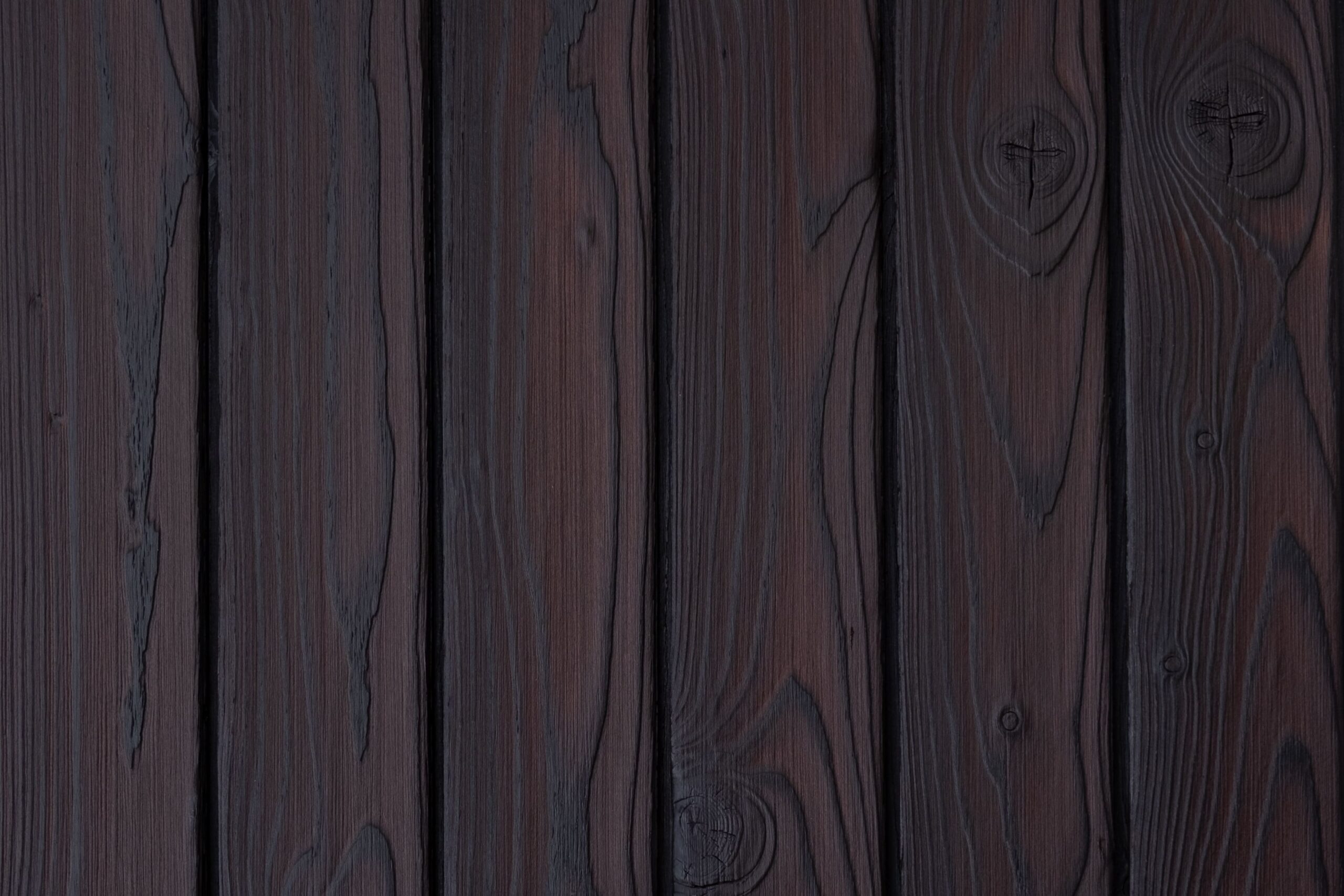
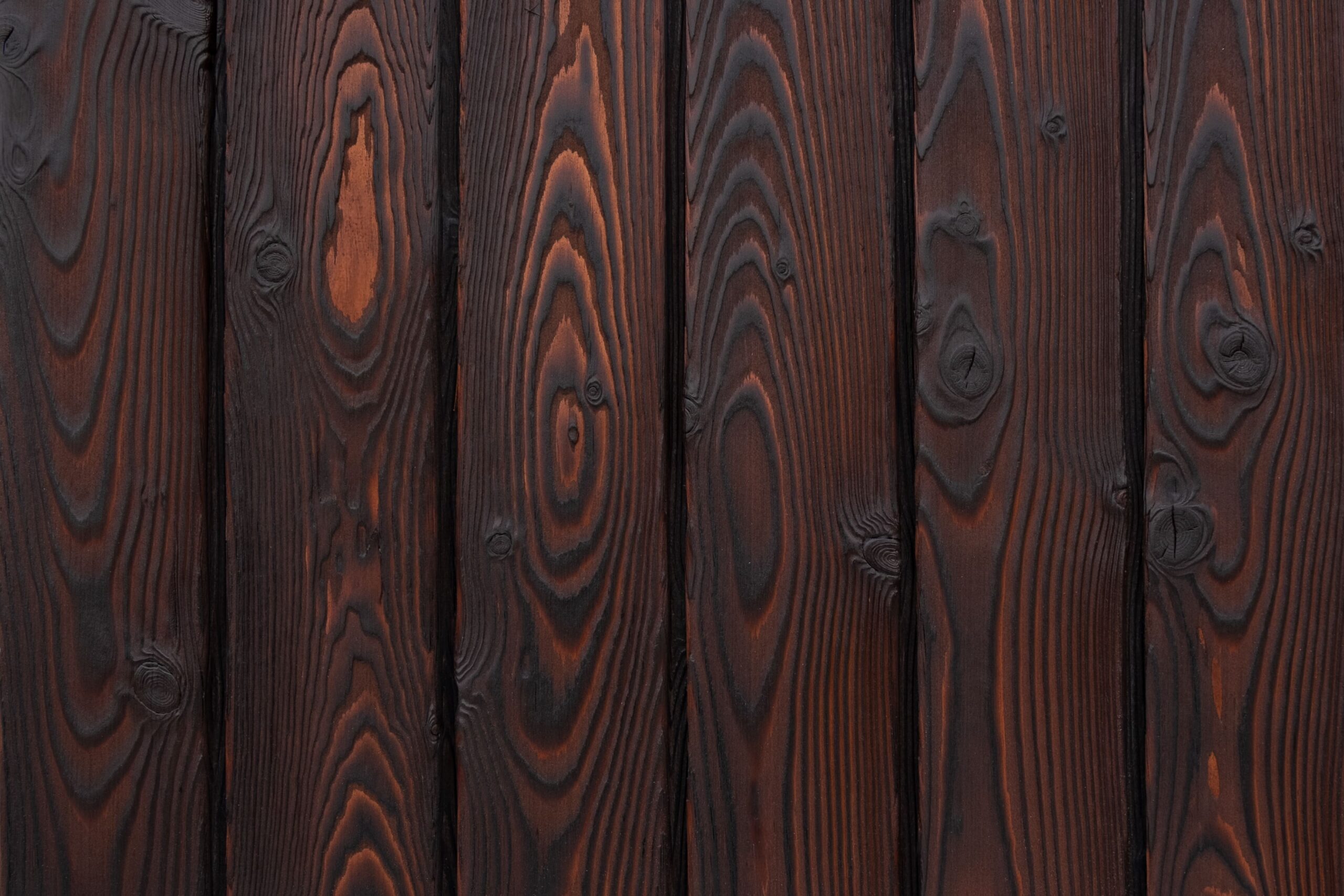
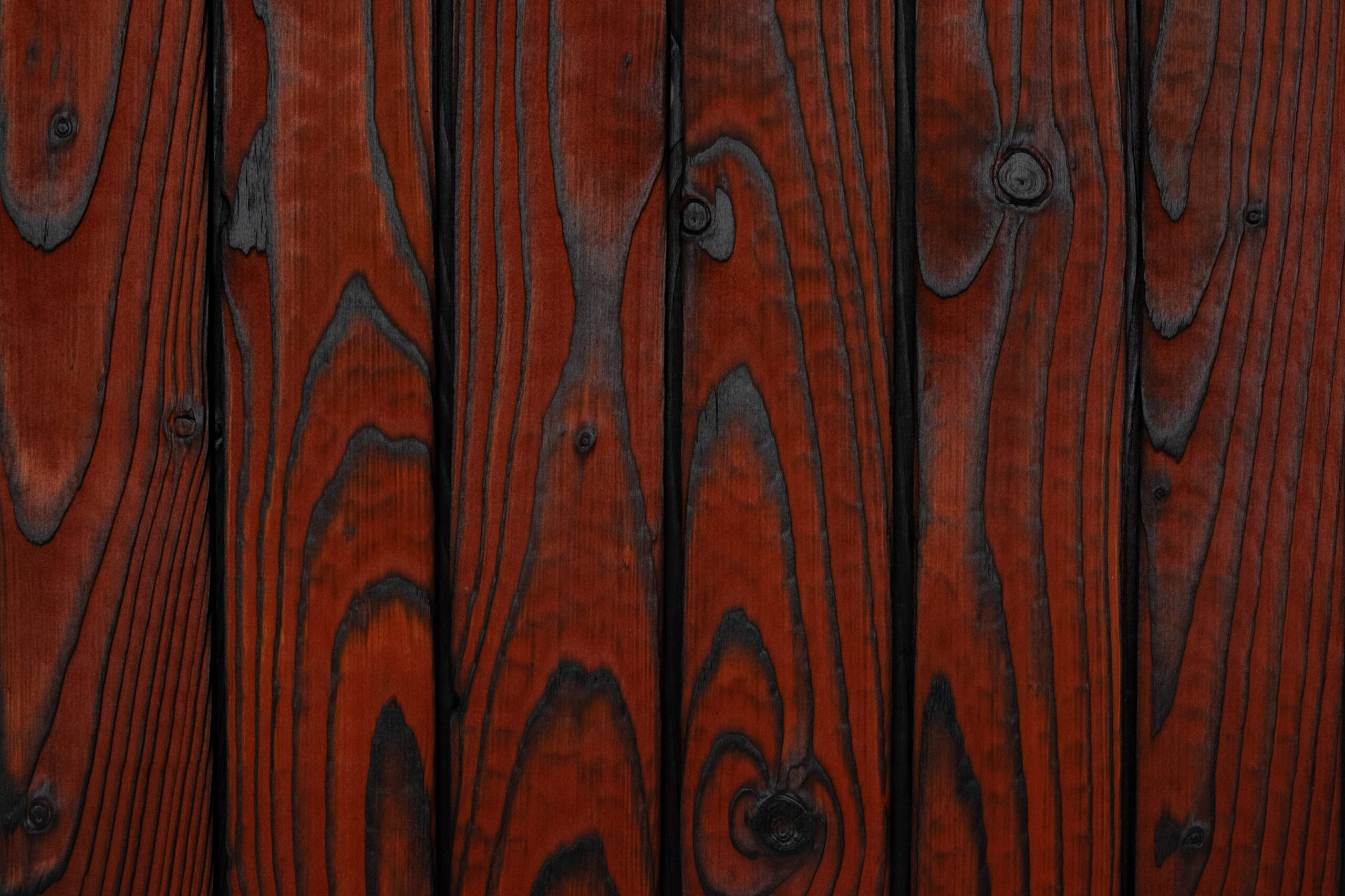
Kāpēc izvēlēties japāņu apdedzinātas koksnes apšuvumu?
DABISKA, IZTEIKSMĪGA APDARE
Apdedzinātas koksnes fasāde saglabā redzamo koksnes struktūru – tās zīmējumu, tekstūru un virsmas reljefu. Koksne nav paslēpta zem bieza krāsas slāņa, tāpēc fasāde izskatās dzīva, dabiska un arhitektoniski izteiksmīga.
RADĪTS LIETOŠANAI ĀRPUS TELPĀM
Āra apšuvums ik dienu ir pakļauts saulei, mitrumam, vējam un temperatūras svārstībām. Koksne, kas ir apdedzināta, slīpēta un eļļota, palīdz samazināt virsmas jutību pret vides faktoriem un ilgāk saglabā fasādes kārtīgo izskatu.
VIEGLI SADERĪGS
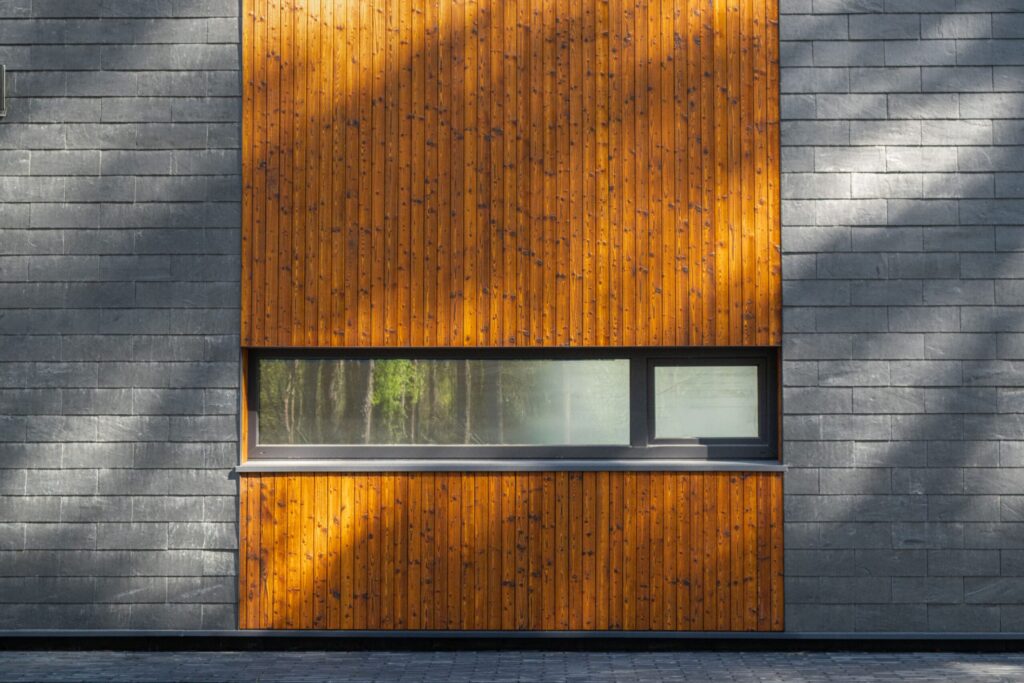
Apdedzināta koksne fasādēm lieliski saskan ar betonu, stiklu, metālu, akmeni un citiem mūsdienīgiem materiāliem. To var izmantot visai fasādei vai atsevišķām zonām – piemēram, ieejai, terases sienai, piebūvei vai arhitektoniskam akcentam.
MAZĀK RŪPJU NEKĀ AR KRĀSOTU KOKU
Apdedzinātas koksnes apšuvums nav pārklāts ar standarta biezu krāsas slāni, tāpēc fasāde nelobās kā slikti kopta krāsota apdare. Pareizi kopta eļļota virsma laika gaitā ir atjaunojama, saglabājot koksnes dabisko raksturu.
Kas ir apdedzināta koksne un kāpēc tā ir piemērota fasādēm?
Apdedzināta koksne ir koksne, kas apstrādāta ar uguni – šī tehnika Japānā pazīstama kā Yakisugi jeb Shou Sugi Ban. Dedzināšanas procesā uz dēļu virsmas veidojas oglekļots slānis; pēc tam koksne tiek slīpēta, lai noņemtu lieko ogli un atklātu dabisko koksnes zīmējumu. Visbeidzot apdedzinātajai koksnei tiek uzklāta īpaša eļļa, kas piešķir vēlamo toni un papildu aizsardzību āra koksnei.
Šāda apdare fasādēm ir piemērota vairāku iemeslu dēļ. Koksne ir vieglāka par lielāko daļu minerālo apdares materiālu, tāpēc to var izmantot dažādos projektos – gan jaunbūvēs, gan renovācijā. Turklāt apdedzināts apšuvums piešķir fasādei unikālu izskatu, jo katram dēlim ir atšķirīgs zīmējums, tekstūra un virsmas nianses.
Salīdzinājumā ar termokoksni vai tradicionāli krāsotu apdari, shou sugi ban dēļus bieži izvēlas tad, kad mērķis ir ne tikai tehniska funkcionalitāte, bet arī izteiksmīgāks vizuālais raksturs. Termokoksnei ir savas priekšrocības, taču apdedzināta koksne piedāvā dziļākus toņus, izteiktāku tekstūru un dabiskāku, amatniecisku virsmas sajūtu.
Yakisugi apšuvums – koku sugas
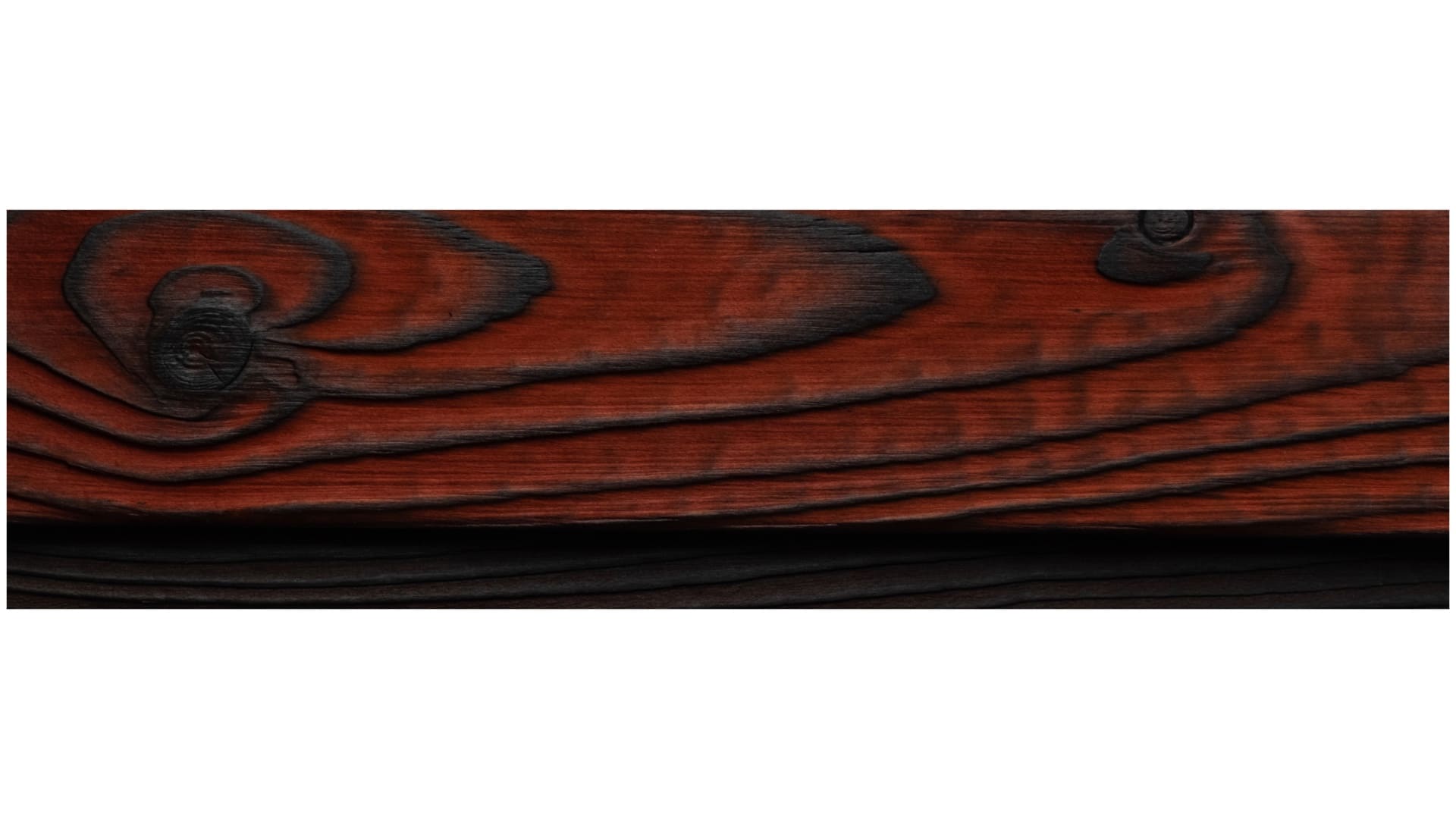
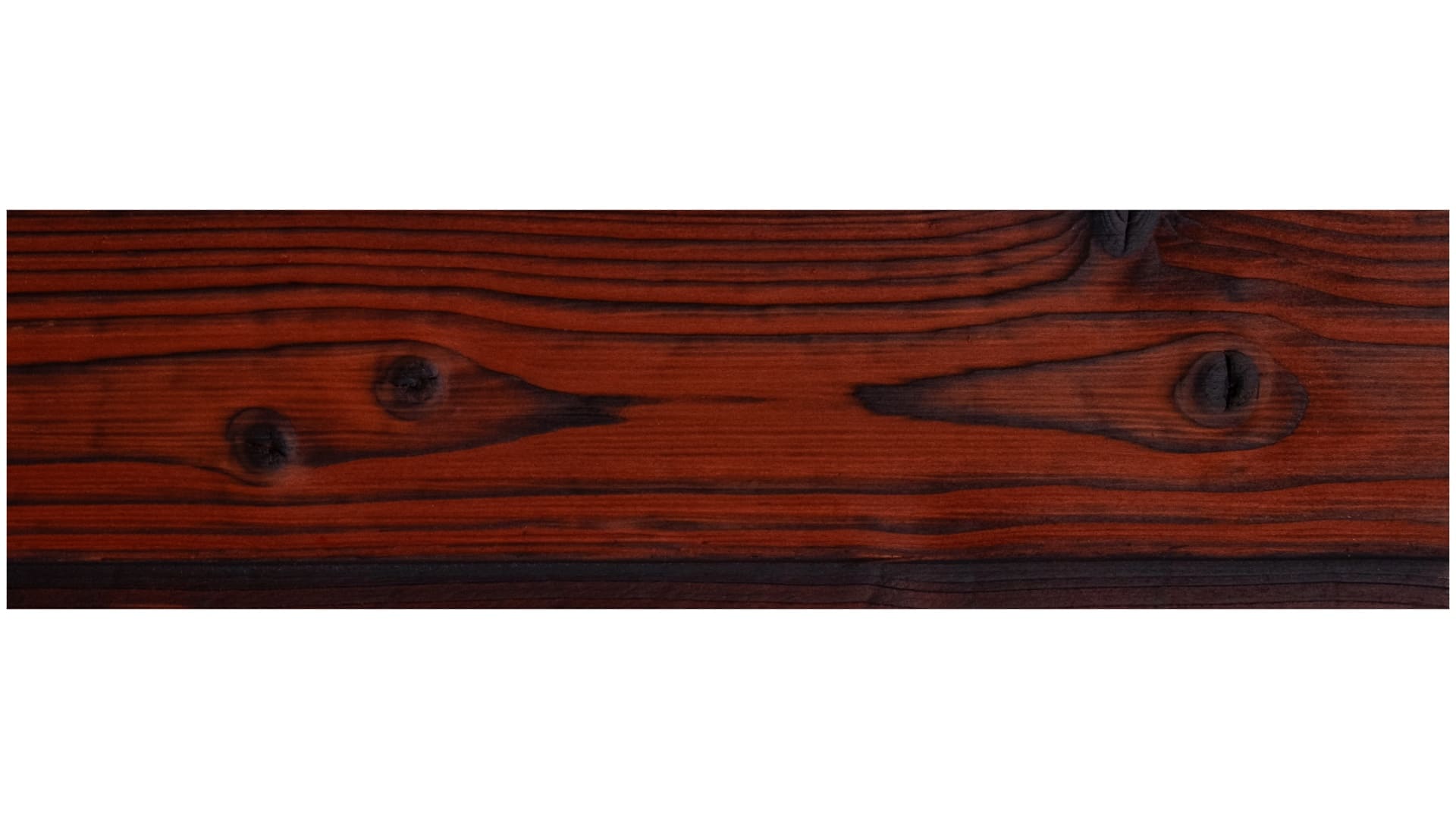
Āra apšuvumu var izgatavot no dažādām koku sugām, tāpēc gala rezultāts ir atkarīgs ne tikai no krāsas, bet arī no pašas izejvielas. Medeksa piedāvā izvēli starp egli, lapegli vai priedi, un konkrētā koksne tiek izvēlēta atkarībā no projekta mērķiem, budžeta, vēlamā izskata un lietošanas apstākļiem.
Egle
Šo koksni bieži izvēlas tad, kad vēlas mierīgāku, vizuāli viendabīgāku fasādes izskatu. Tā ir piemērota projektiem, kuros svarīga ir smalka tekstūra, tīras arhitektoniskās līnijas un laba cenas un estētikas attiecība.
Lapegle
To novērtē par blīvāku struktūru un izteiktāku koksnes raksturu. Apdedzināta lapegle piešķir fasādei izturīgāku, izteiksmīgāku virsmu, tāpēc to bieži izvēlas projektiem, kuros vēlama augstāka vizuālā kvalitāte un materiāla dabiskā izturība.
Vissvarīgākais – nevērtējiet apšuvumu tikai pēc koksnes nosaukuma. Fasādes galīgo izskatu ietekmē profils, dēļu biezums, virsmas tekstūra, eļļas apdare, uzstādīšanas virziens un pašas ēkas konteksts. Tāpēc pirms pasūtījuma vērts klātienē apskatīt paraugus un izvērtēt, kā izvēlētais tonis izskatīsies blakus logiem, jumtam, pamatiem vai apkārtnei.
Āra apšuvuma uzstādīšana un kopšana
Pat augstas kvalitātes āra apšuvums neatklās savu pilno potenciālu, ja tas tiks uzstādīts nepareizi. Koka fasādei jābūt ar ventilējamu konstrukciju, lai aiz apšuvuma varētu cirkulēt gaiss un izplūst mitrums. Tas palīdz mazināt risku, ka koksne pastāvīgi būtu pakļauta uzkrātam mitrumam, un nodrošina uzticamāku fasādes sistēmas darbību.
Uzstādīšanas laikā svarīgi izvēlēties pareizās naglas un stiprinājumus, atstāt nepieciešamās atstarpes un aizsargāt konstruktīvās vietas, kur var uzkrāties ūdens. Tāpat būtiski noteikt, vai apšuvums tiks uzstādīts horizontāli, vertikāli vai citā virzienā – tas ietekmē ne tikai izskatu, bet arī konstruktīvos risinājumus.
Kopšana ir atkarīga no fasādes orientācijas, saules intensitātes, apkārtējā mitruma un izvēlētās krāsas. Tumšākas virsmas saulē var uzkarst vairāk, un intensīvai saules gaismai pakļautās fasādes puses mainīsies ātrāk nekā ēnainās zonas. Lai ilgāk saglabātu izvēlēto toni, ieteicams periodiski atjaunot eļļas pārklājumu. Piemērota eļļa āra koksnei palīdz saglabāt virsmas aizsardzību un estētisko veselumu.
Biežāk uzdotie jautājumi
Cena ir atkarīga no koksnes veida, profila, izmēriem, apdares līmeņa, eļļošanas, daudzuma un projekta specifikas. Tāpēc visprecīzāk cenu var aprēķināt katrā gadījumā atsevišķi, ņemot vērā fasādes laukumu un izvēlētos risinājumus.
Jā, to var izmantot visas fasādes vai atsevišķu zonu apdarei. Apdedzinātas koksnes apdari bieži izvēlas ieejas zonai, terases sienai, piebūvei vai arhitektoniskam akcentam.
Jā, dabiska koksne mainās, pakļauta laikapstākļu iedarbībai. Saule, lietus, fasādes orientācija un kopšanas biežums – tas viss ietekmē krāsas maiņu. Tā ir normāla koksnes novecošanas procesa daļa, ko var palēnināt ar pareizu virsmas kopšanu.
Jā. Mums nav minimālā pasūtījuma daudzuma – jūs varat pasūtīt tik, cik nepieciešams jūsu projektam.
Termiski modificēta koksne tiek apstrādāta ar karstumu visā tās struktūrā, savukārt apdedzināta koksne galvenokārt tiek apstrādāta virspusē, radot oglekļotu slāni un raksturīgu tekstūru. Abām pieejām ir savas priekšrocības, taču apdedzinātu koksni bieži izvēlas tās izteiktākā vizuālā rakstura dēļ.
Mēs izgatavojam pēc pasūtījuma, tāpēc piegādes termiņi ir atkarīgi no daudzuma, krāsas, koksnes veida un sezonalitātes. Ražošana parasti aizņem 1 līdz 4 nedēļas. Precīzu piegādes datumu norādīsim kopā ar piedāvājumu.
Jā, apdedzinātas koksnes dēļus bieži kombinē ar apmetumu, betonu, metālu, stiklu vai akmeni. Šāda kombinācija ļauj izcelt atsevišķas ēkas zonas, radīt kontrastu vai piešķirt fasādei dabiskāku izskatu, neizmantojot pilnīgi koka apdari.
Izvēloties toni, vislabāk paļauties ne tikai uz fotogrāfijām, bet arī uz reāliem paraugiem. Viens un tas pats tonis var izskatīties atšķirīgi atkarībā no fasādes orientācijas, apgaismojuma, jumta, logu rāmjiem un apkārtējās vides. Tāpēc pirms pasūtījuma ieteicams paraugus apskatīt klātienē un izvērtēt, kā tie saskan ar konkrētajiem būvmateriāliem.
Pieņemiet pārliecinātu lēmumu
Pieņemot lēmumus, nozīme ir ne tikai estētikai, bet arī tehniskiem un izmaksu apsvērumiem.
Mūsu produktu katalogā atradīsiet pieejamos koksnes profilus un standarta cenas, bet, pasūtot paraugus, varēsiet novērtēt apdedzinātas koksnes tekstūru un toņus savā vidē.
