The technique of burned wood, known as “Yakisugi” or “Shou Sugi Ban,” originated in Japan during the Edo period (1603–1868) and was initially used by merchants to protect goods stored in warehouses from fire. It was later observed that this method made the wood more resistant to pests and moisture, which was particularly important in Japan, as traditionally all buildings were constructed of wood and had to withstand the country’s humid climate.
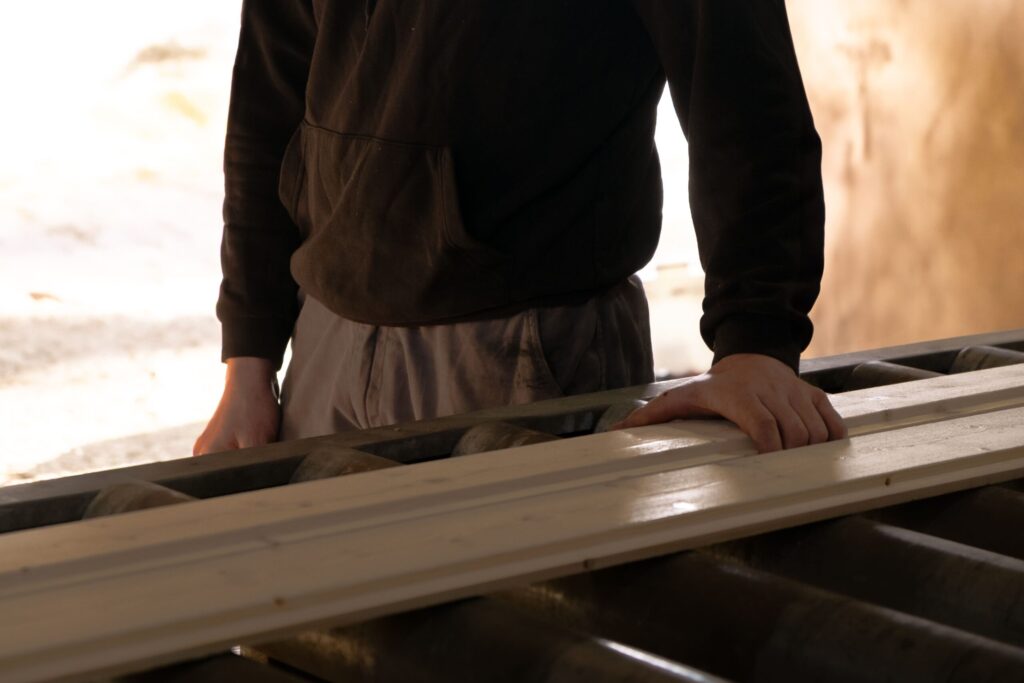
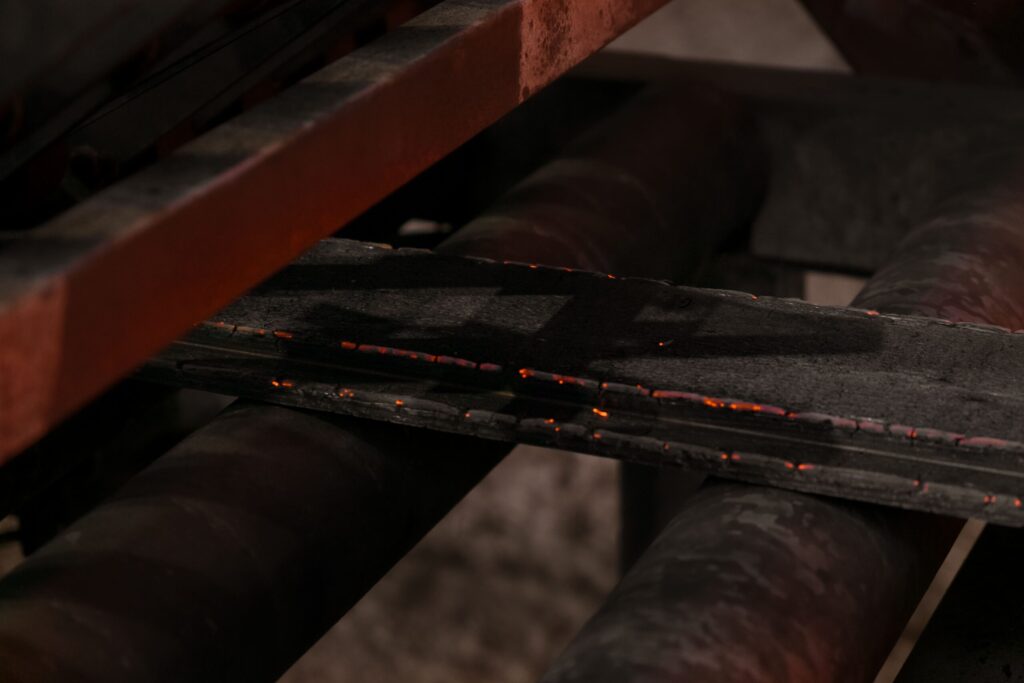
The traditional process involved tying three planks together into a triangular structure, inside which a fire was lit. Once the surface reached the desired level of charring, the fire was extinguished, and the planks were used for house facades, roofs, and interior details.
Today, charred wood has gained popularity worldwide, and its production process has been modernized using gas burners. This ancient craft, revived in the modern era, allows the past to blend into the present and breathes new life into it, not only with its unique appearance but also by remaining one of the most sustainable ways to treat wood.
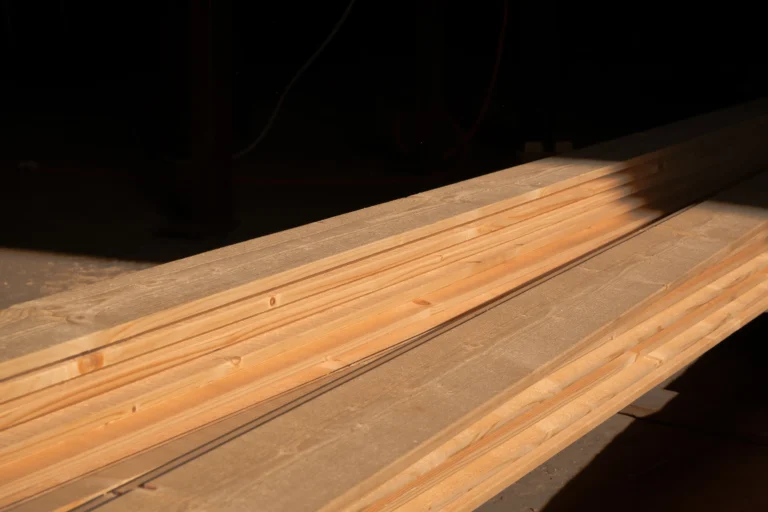
Traditionally, cedar was used for wood charring in Japan; however, it grows slowly and is not native to Lithuania, making it more expensive and harder to obtain. Instead of cedar, we char pine, larch, and spruce, which are strong, easy to work with, and naturally have beautiful textures.
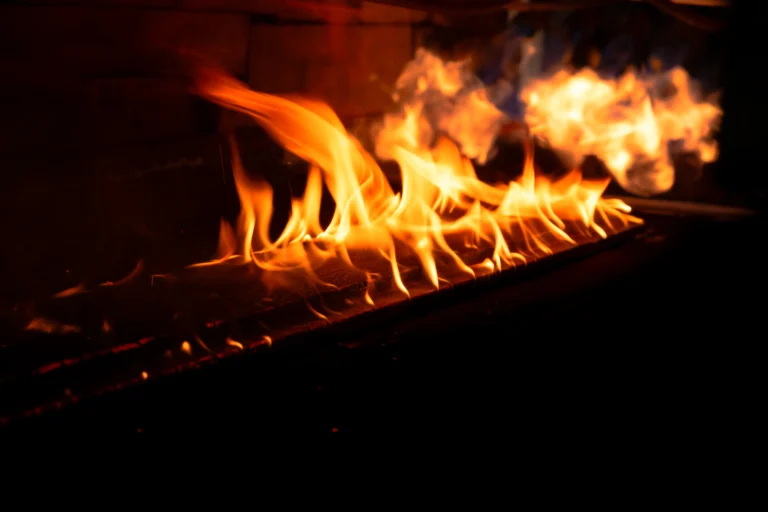
Special gas torches are used for charring, and the boards are charred at a high temperature of around 1000°C. The purpose of charring is to create a charcoal surface, which acts as a natural barrier against moisture, insects, and UV rays.
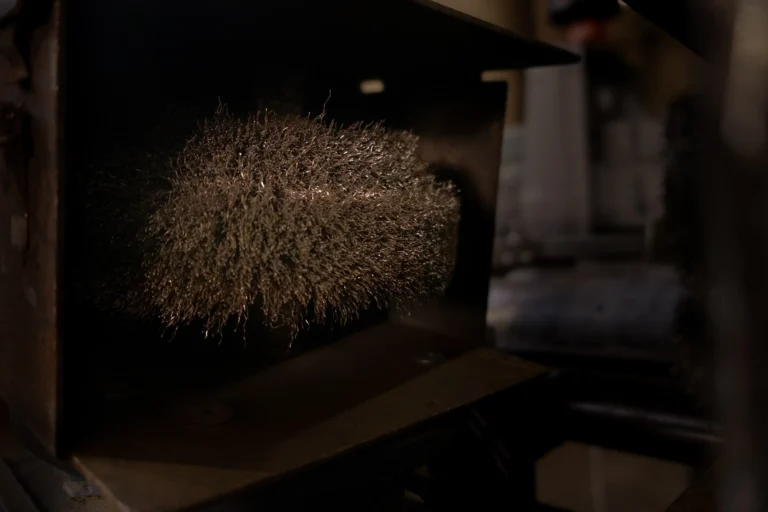
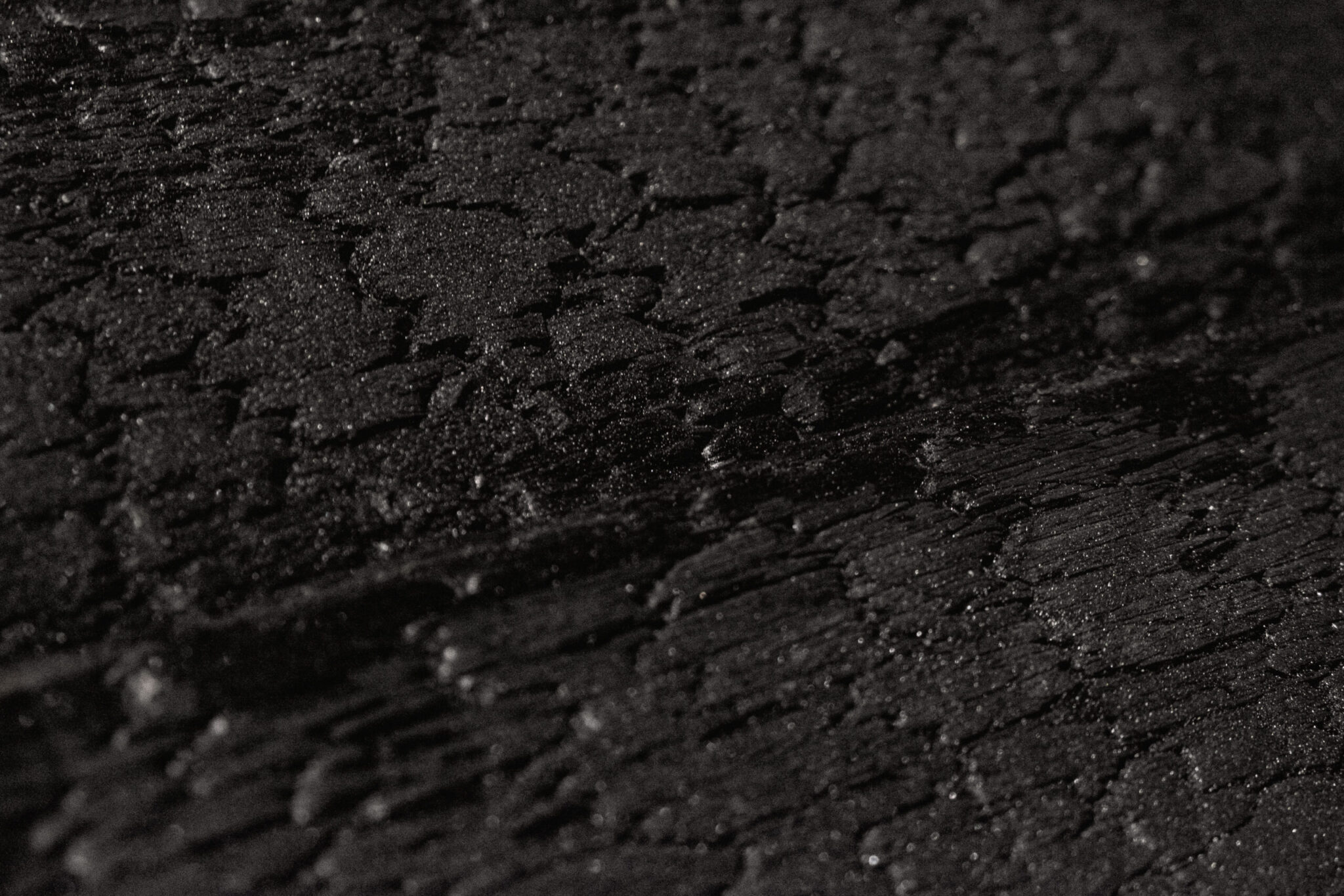
The charred wood is fully cooled, and once the surface is cold, it is gently brushed with a nylon brush. This process removes loose carbon layers and reveals the wood’s unique texture.
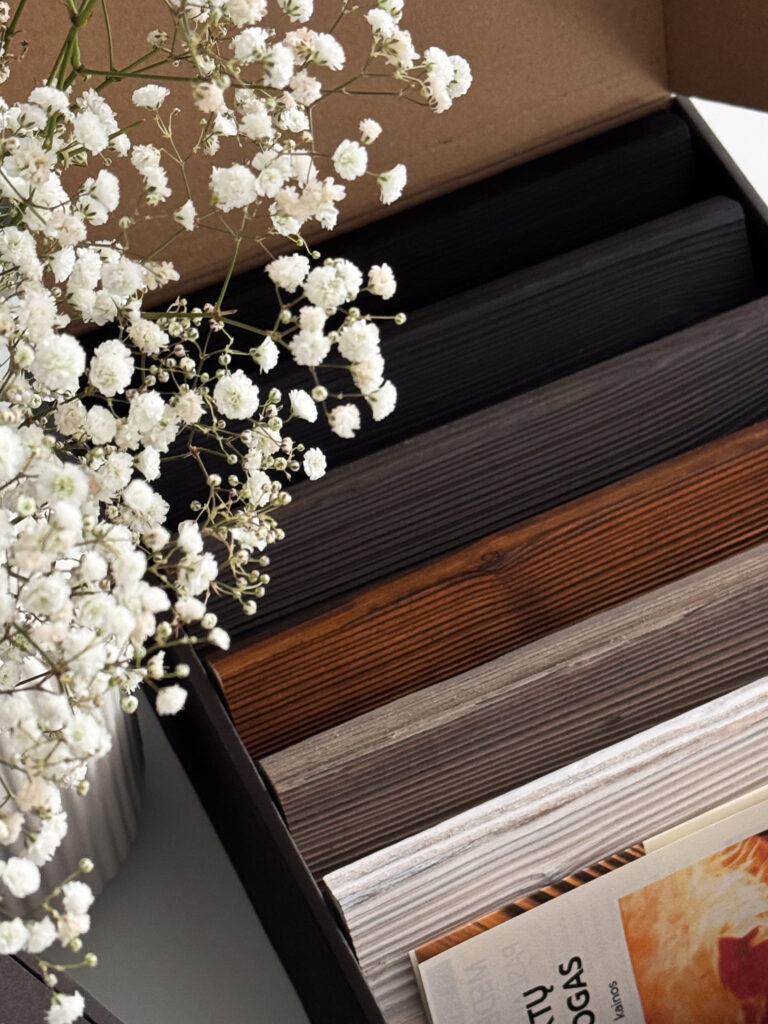
To extend the wood’s durability even further, it is treated with oil. This process provides the desired shade, enhances the texture, and adds an extra protective layer against moisture.
Surface charring of wood is associated with improved moisture management, biological resistance, and durability.
Surface carbonization forms a charred layer that reduces water vapor permeability and increases moisture insulation efficiency. Water permeability can be reduced to a level equivalent to that of a two-coat acrylic paint finish if the char layer is unbrushed.
Chemical and structural changes in the surface, including the decomposition of organic matter and an increased pH, are associated with reduced activity of wood-decaying fungi and lower mass loss in decay tests.
Additional surface oiling further increases the surface’s resistance to moisture, slows water absorption, and reduces the effects of UV radiation; therefore, the right combination of charring and oiling can further improve performance characteristics.
Moisture resistant
UV resistant
Mold resistant
Insect resistant
Sources:
Take a closer look at our products