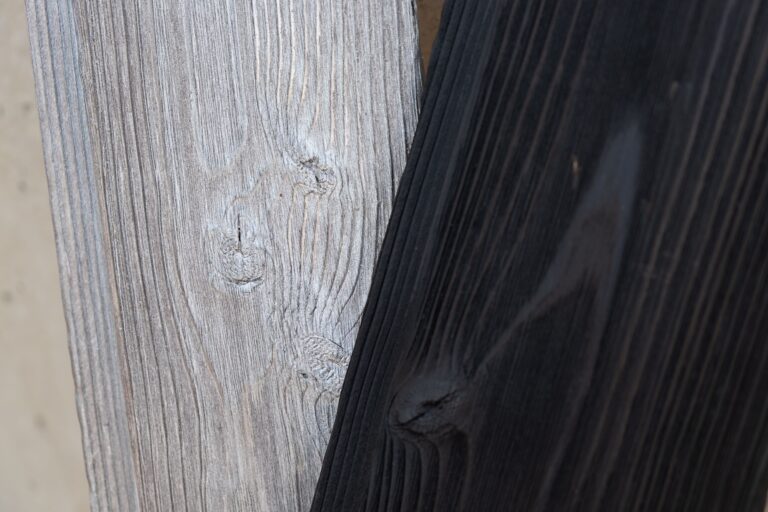
The wood charring technique, known as “Yakisugi” or “Shou Sugi Ban,” originated in Japan during the Edo period (1603–1868). Initially, merchants used this method to protect stored goods from fire damage. Later, it was discovered that this process made the wood more resistant to pests and moisture – critical in Japan, where traditional buildings were made entirely of wood and had to withstand the humid climate.
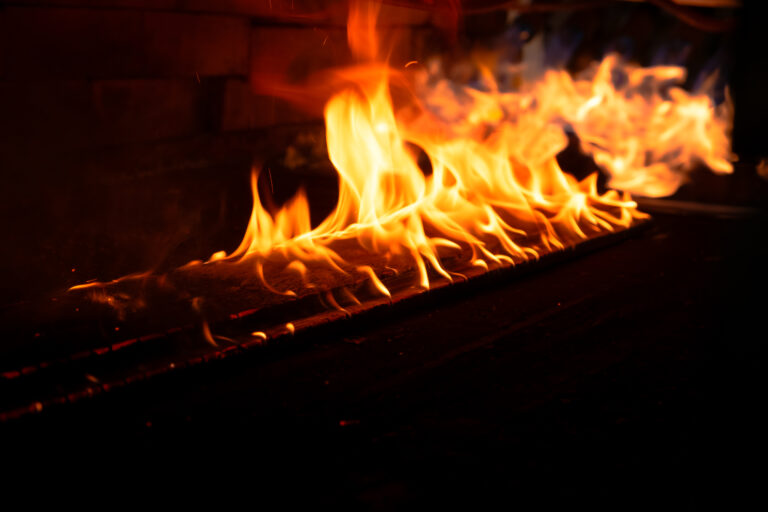
The traditional method involved binding three planks into a triangular shape and setting a fire inside. When the surface reached the desired charring level, the fire was extinguished, and the planks were used for house facades, roofs, and interior details.
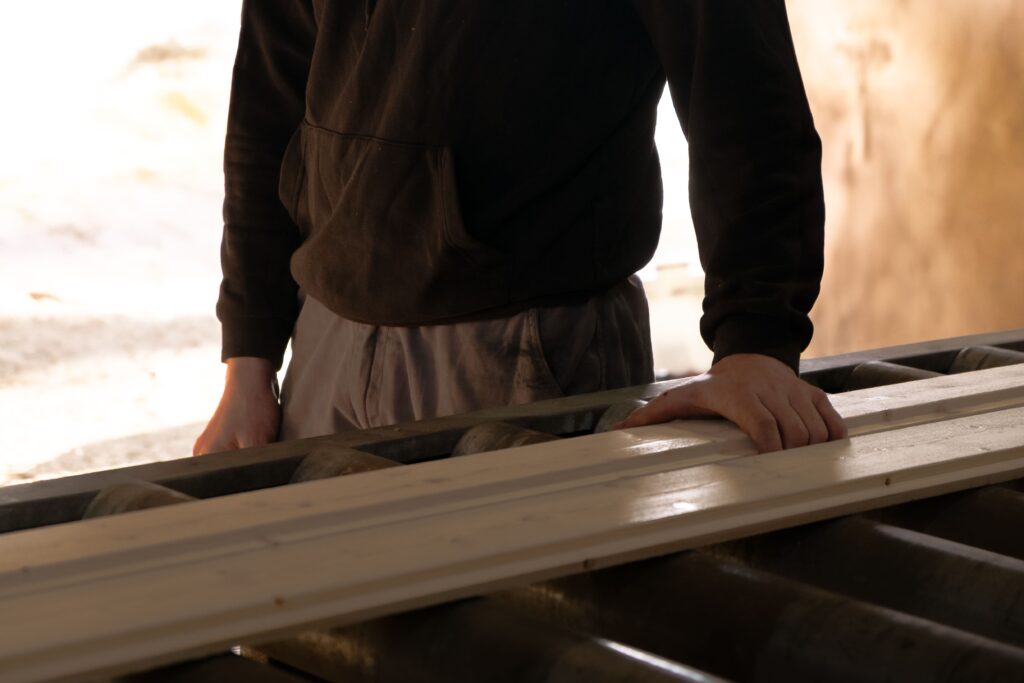
Today, charred wood has gained global popularity. Modern production uses gas burners, blending ancient craftsmanship with contemporary technology. This timeless technique not only creates a unique aesthetic but also remains one of the most sustainable ways to treat wood, merging heritage with modern environmental awareness.